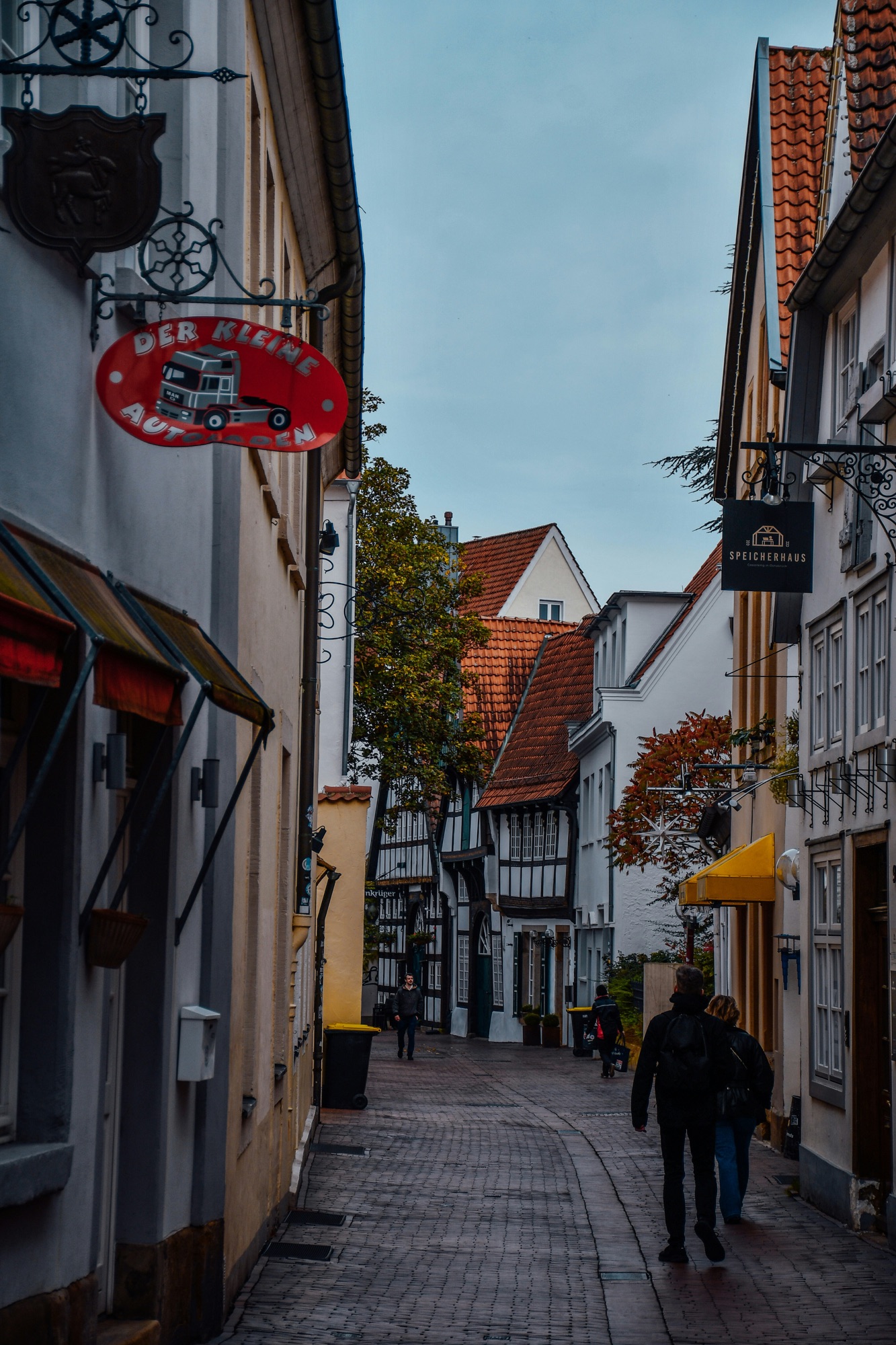

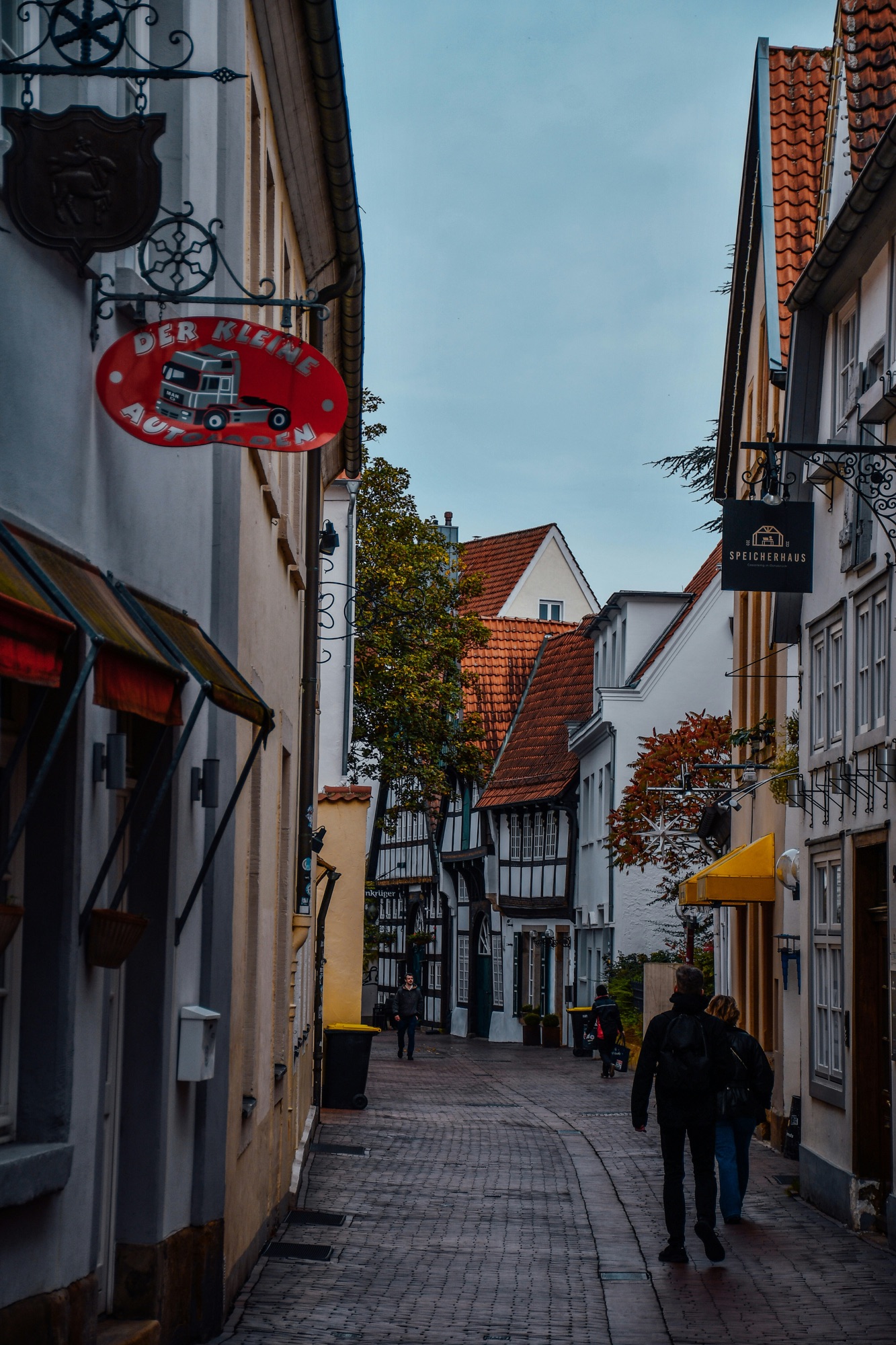
Church bells drift over old rooftops. Market squares feel lived in, not staged. And history here feels close enough to touch.
Tucked into Lower Saxony in northwestern Germany, Osnabrück doesn’t come with the big-name energy of Berlin, Munich, or Hamburg. It feels quieter than that. More local. More like a place people actually live, not just visit.
But give it a little time, and it offers something that stays with you.
It doesn’t hit you all at once. It builds slowly, through stepped-gable houses, worn stone, church towers, and a feeling that the past here isn’t far away at all.
That feeling makes sense here. Known as the City of Peace, Osnabrück is where the Peace of Westphalia was proclaimed in 1648. The history isn’t tucked behind glass. It’s still part of the atmosphere, something you notice without trying.
Part of what makes it work so well is the scale. There’s enough here to keep you wandering, but not so much that it feels overwhelming. Most of what you’ll want to see connects easily on foot, which naturally slows everything down.
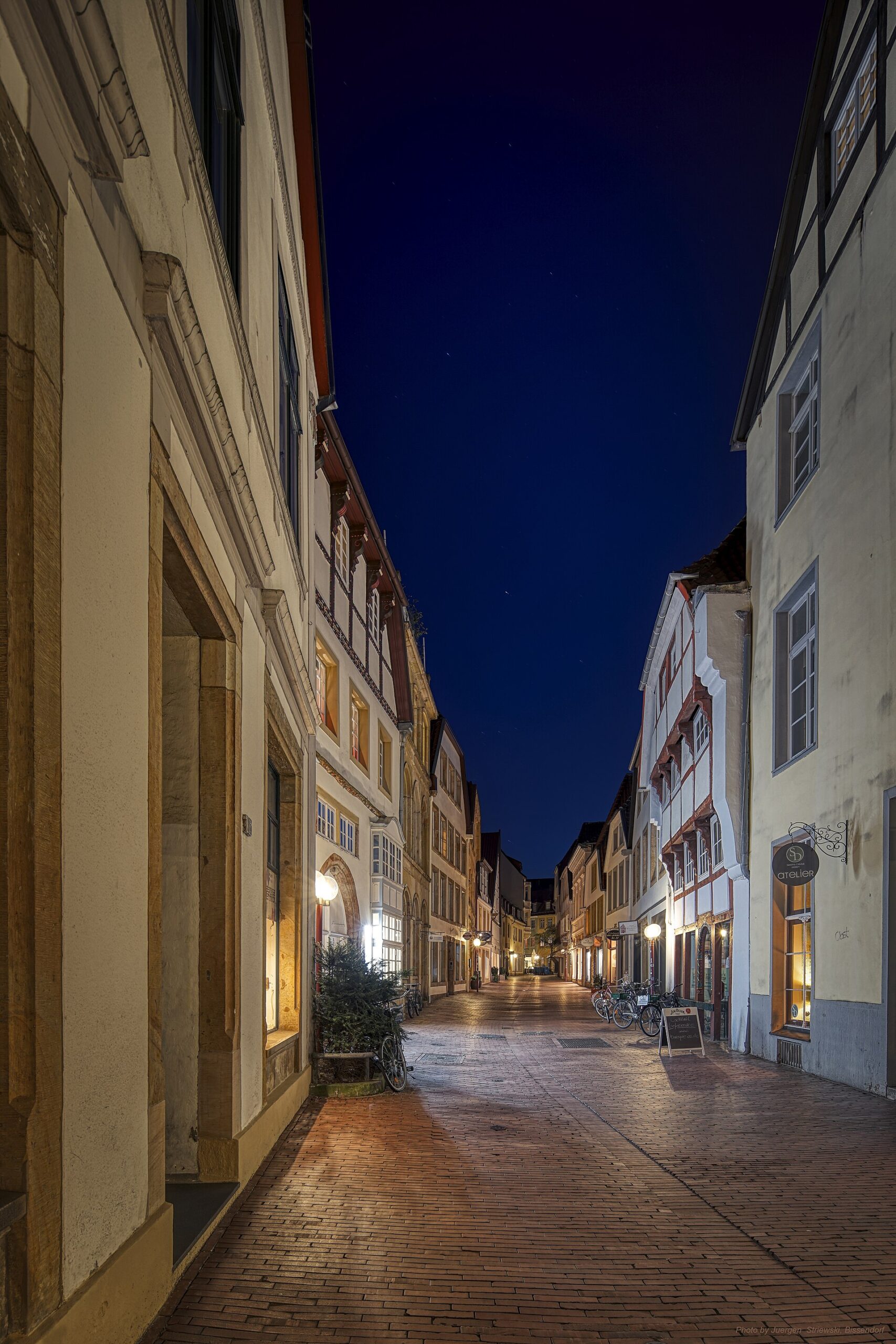
The old town unfolds from the market square toward Heger Tor and beyond. You don’t really need a plan. One street leads to another, and before long, you’re just following whatever catches your eye.
Start in the Market Square
If there’s one place to begin, it’s the historic market square.
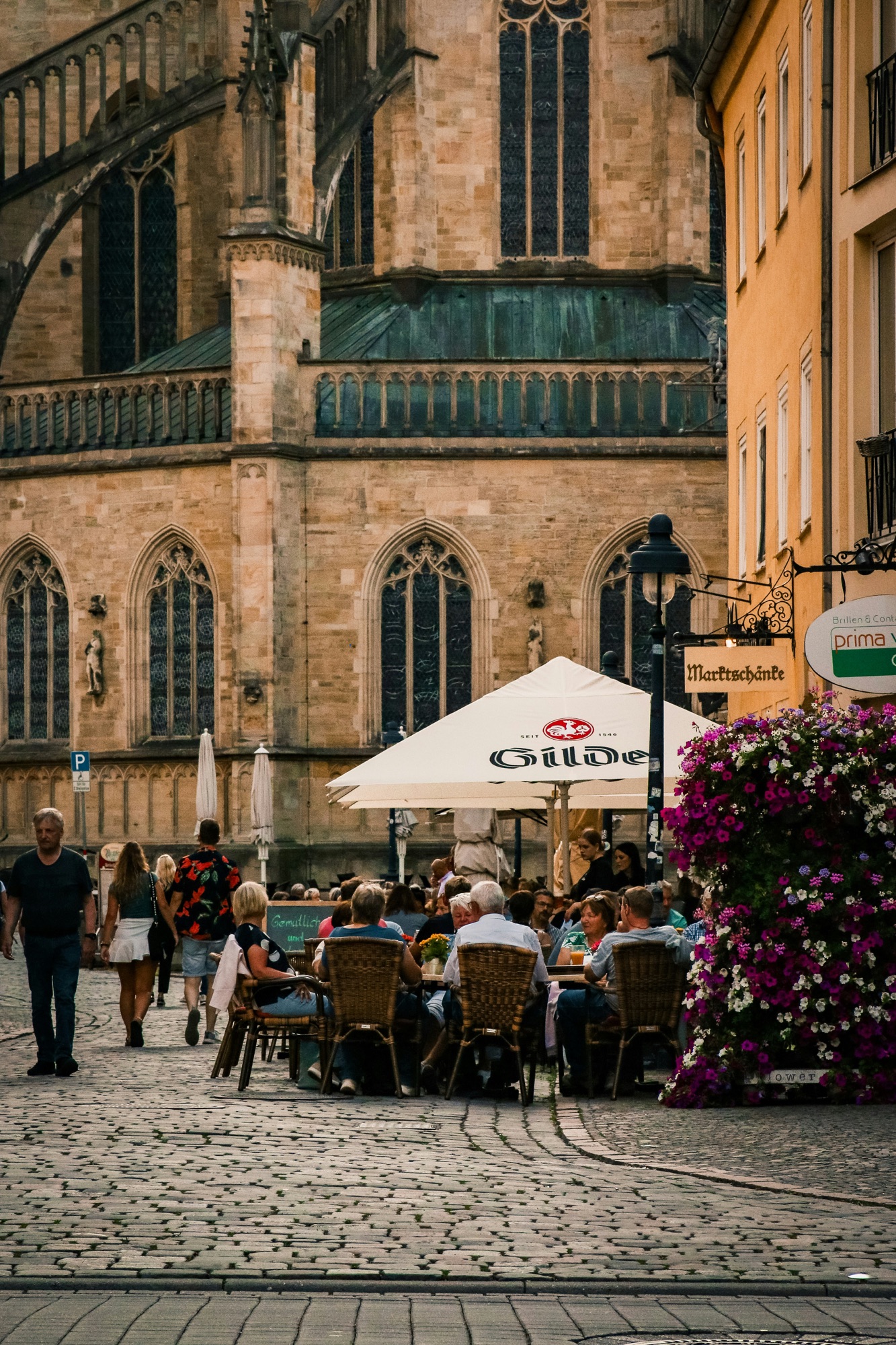
This is one of the oldest parts of the city, where the town hall, St. Mary’s Church, surrounding townhouses, and a central fountain all come together in a space that feels both grand and easy at the same time. The late-Gothic stepped-gable houses give it character, but it’s the atmosphere that really stands out.
Even with people passing through, it never feels hectic.
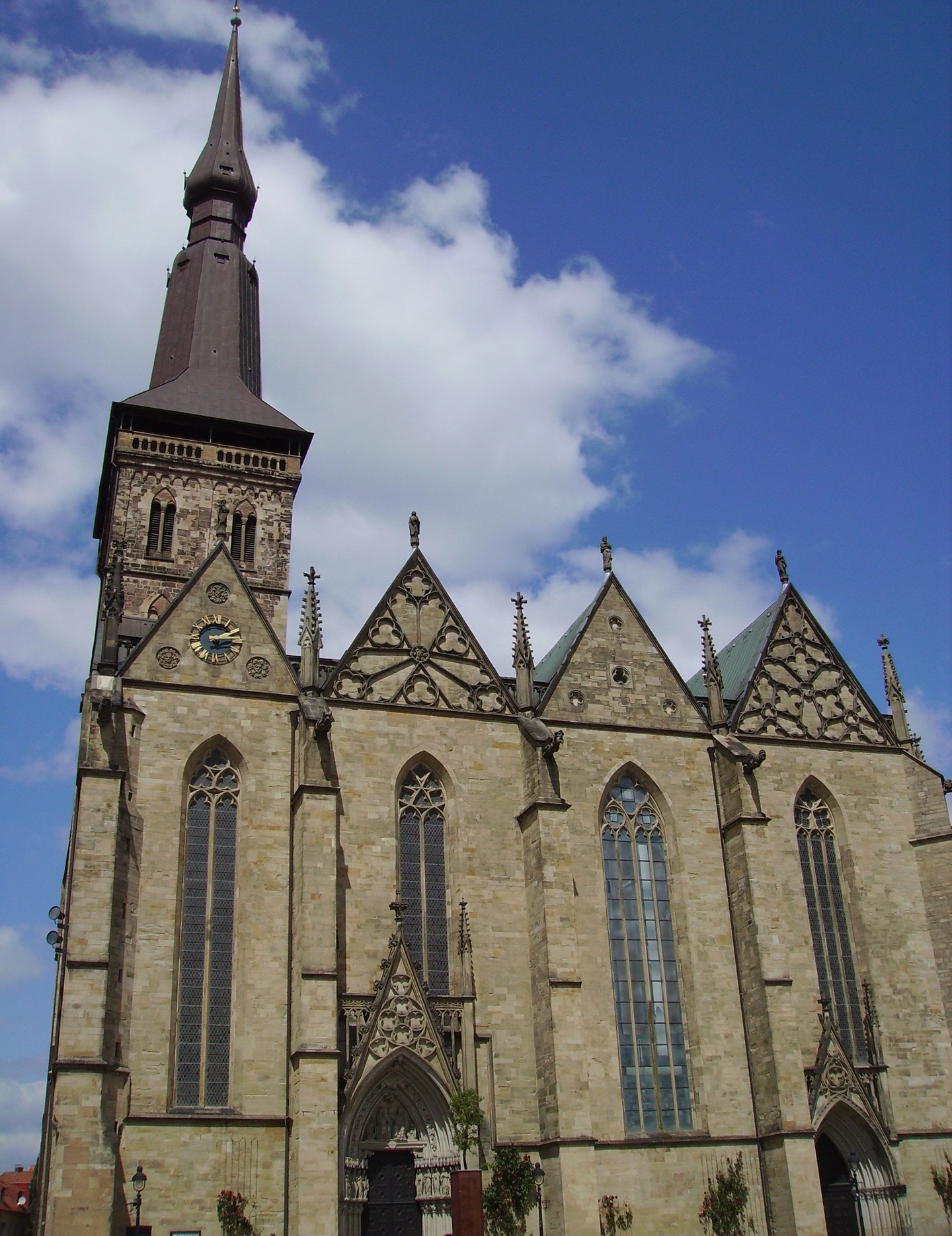
St. Mary’s adds another layer. If you’re up for it, climb the tower. Seeing the rooftops from above changes your perspective a bit. The red brick, the angles of the streets, the way everything fits together and it all becomes more memorable.
This is the kind of place where it’s worth slowing down. Sit for a coffee. Look up more than you usually would. Let the square settle in before you move on.
Wander Toward Heger Tor
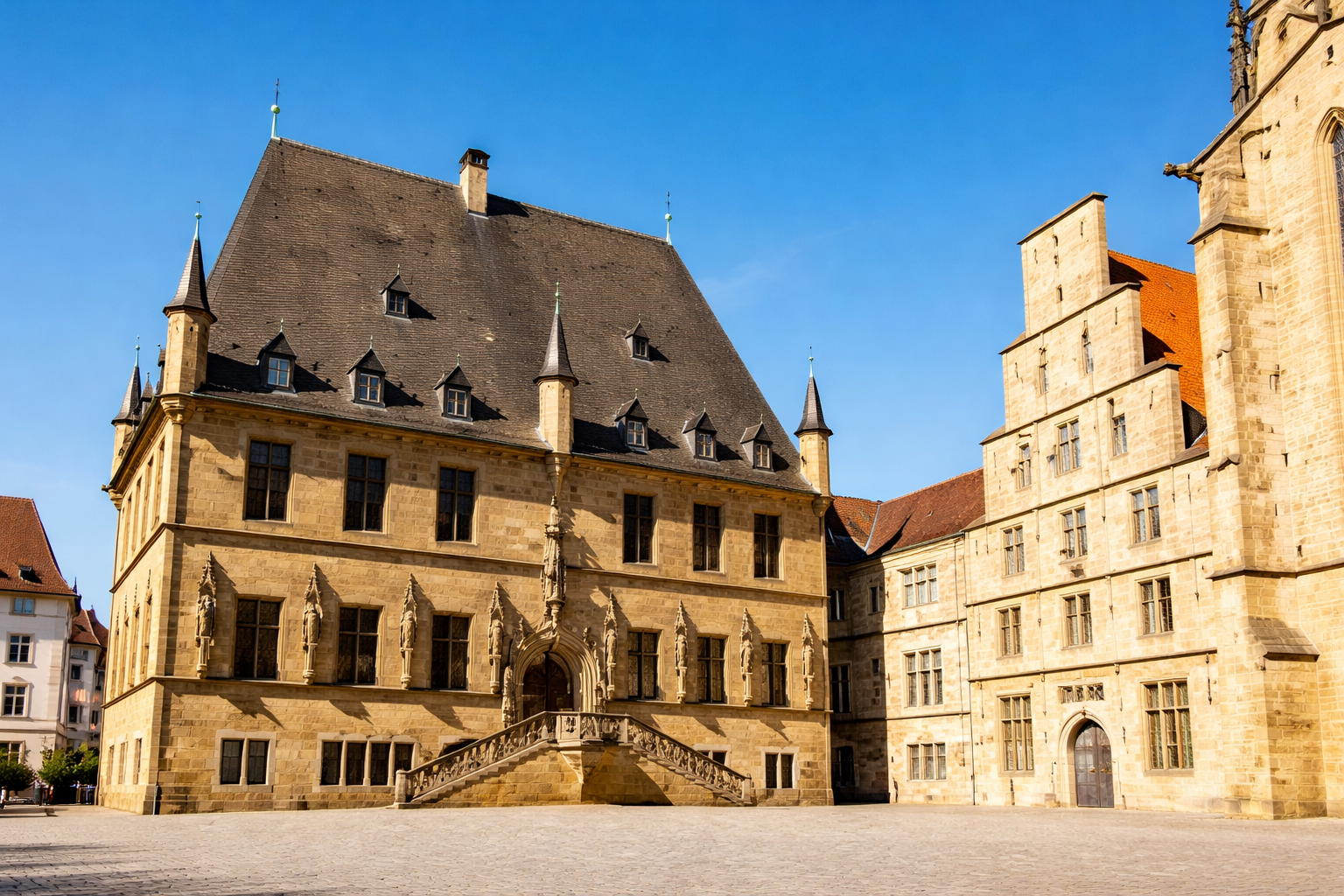
At first glance, the town hall is just beautiful. But it doesn’t take long to realize it carries more weight than that.
In 1648, the Peace of Westphalia was proclaimed from these steps, ending the Thirty Years’ War. It’s one of those moments in history that reshaped more than just a region.
Standing there, it doesn’t feel distant.
It’s not just a landmark you check off. There’s a quiet sense that something important happened here, and the space still holds onto that.
That’s part of what makes Osnabrück different. The beauty is there, but it’s layered with meaning in a way that feels natural, not forced.
The Cultural Stop That Changes the Mood
At some point, it’s worth stepping into a different side of the city.
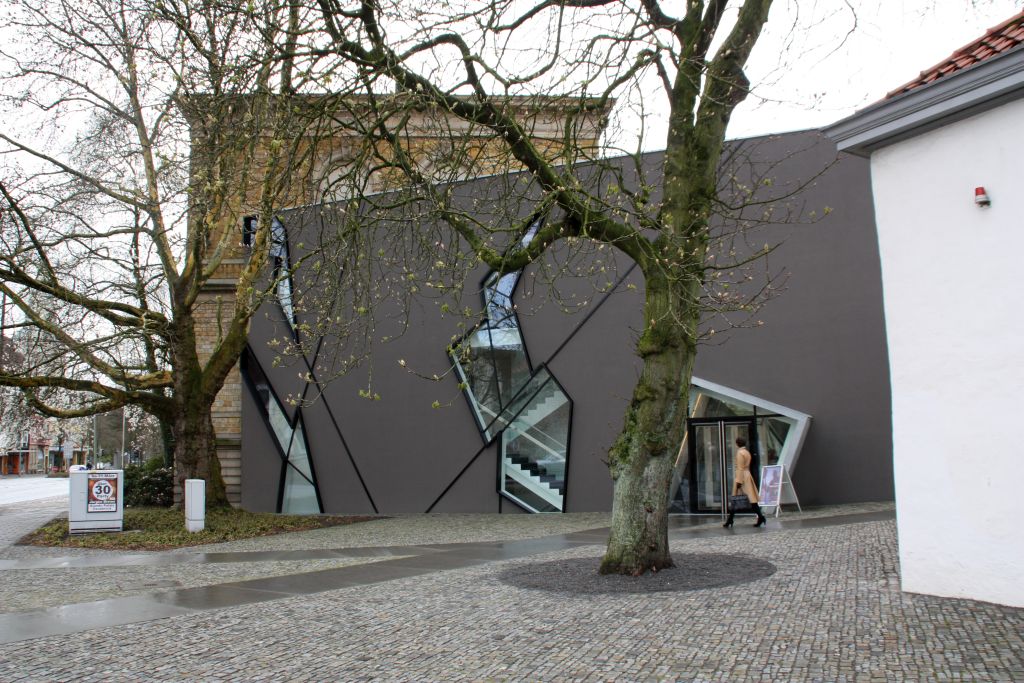
The Felix Nussbaum House is the place to do that.
The building itself feels striking right away. Angular, modern, a little unexpected compared to everything else you’ve seen so far. Inside, the work adds another layer entirely. It’s thoughtful, emotional, and stays with you longer than you expect.
Nearby, the Erich Maria Remarque Peace Centre continues that tone. It focuses on war, peace, and memory, and it adds context to everything you’ve been walking through.
Together, these places shift the experience. The city stops being just beautiful and starts to feel more complex.
A Green Pause
After that, the pace naturally softens.
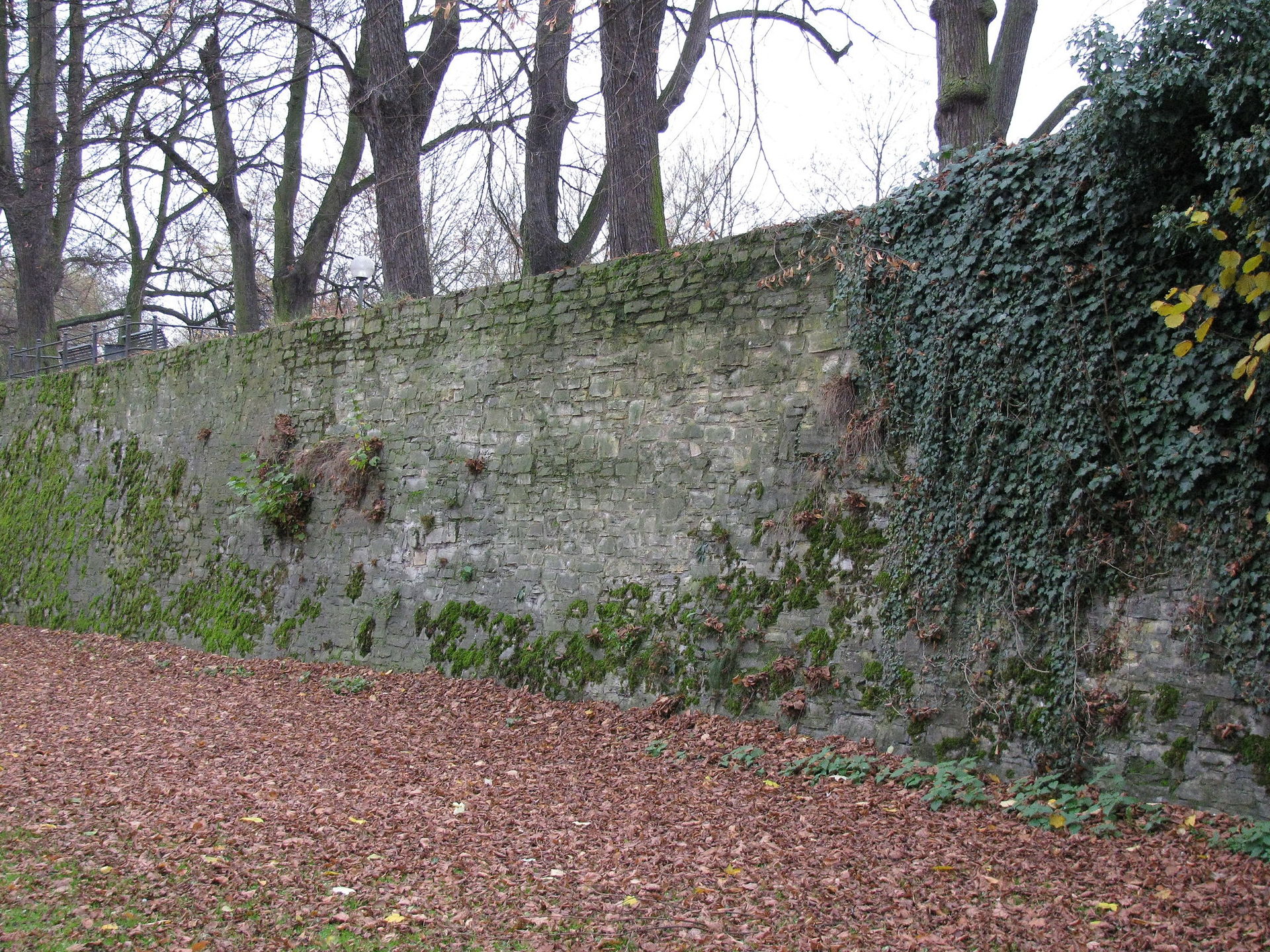
A walk around Herrenteichswall is an easy way to reset. Water, trees, and the edges of the old city come together in a way that feels calm without trying too hard.
If you want something quieter still, the Botanical Garden gives you a little more space to step away from everything.
This balance is one of the things Osnabrück does best. It never feels packed or overwhelming. There’s always somewhere to slow down built into the day.
How to Spend a Day Here Well
Start with coffee near the market square. Take your time around St. Mary’s and the town hall.
From there, wander toward Heger Tor and stop wherever feels right for lunch.
Let the afternoon unfold in the Museum Quarter, then ease into the evening with a slower walk through one of the greener parts of the city.
As the light fades, everything shifts a little. The streets quiet down. The stone holds onto the last warmth of the day. The whole place feels more personal.
You can see the highlights in a day.
But it feels better when you don’t rush it.
Why Osnabrück Stays With You
Some cities leave an impression because they’re dramatic.
This isn’t one of them.
What stays with you here is quieter. The way the market square feels intimate instead of overwhelming. The weight of the town hall. The smaller streets just beyond the center. The way history and everyday life sit side by side without effort.
It’s easy to walk. Easy to pause. Easy to settle into.
Nothing feels like it’s trying too hard.
And somehow, that’s exactly what makes it memorable.