
There are road trips where the destination is the point. Then there’s the Road to Hana, where the drive itself becomes the experience.
The first thing you notice is how quickly Maui changes once you leave the resort areas behind. The wide roads narrow. The ocean flashes between jungle-covered cliffs. Roosters wander through tiny towns. Water drips from thick green vines hanging over the road like curtains. One minute you’re driving beside crashing waves, the next you’re winding through a rainforest so dense it feels almost prehistoric.
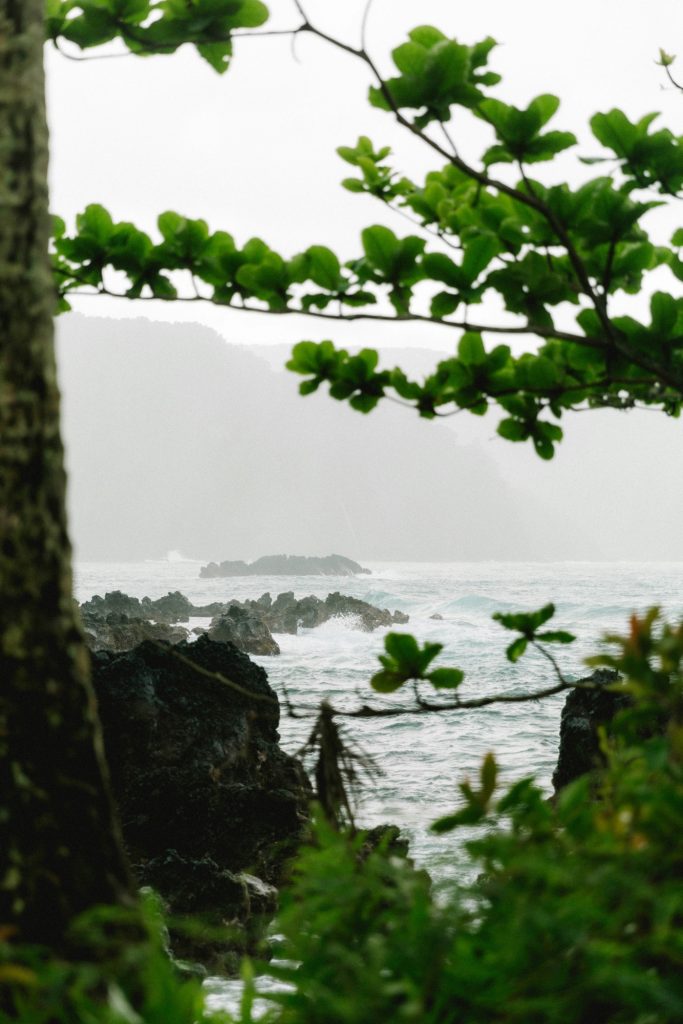
People love to talk about Hana as if it’s a checklist. Waterfalls. Banana bread. Black sand beaches. Bamboo forests. But the magic of the Road to Hana is not in racing between stops trying to see everything in one day. It’s in slowing down enough to actually feel where you are.
Because this road has a rhythm to it.
And once you stop trying to rush it, it becomes unforgettable.
What Is the Road to Hana?
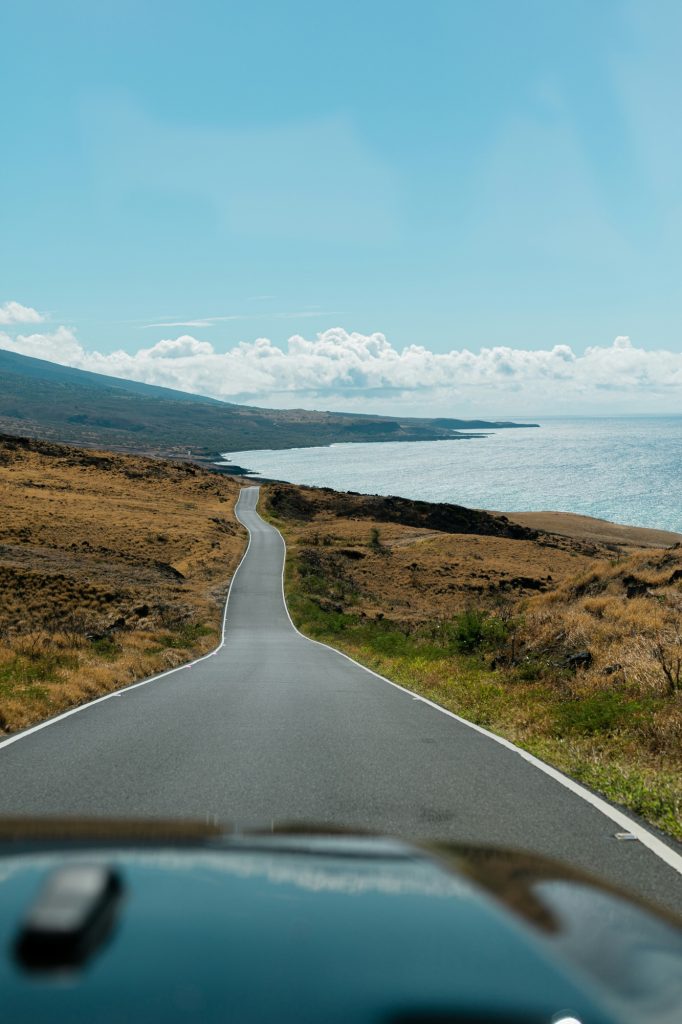
The Road to Hana is a winding coastal drive along Maui’s northeastern shoreline that stretches for roughly 64 miles from Kahului to the town of Hana. Along the way are more than 600 curves and dozens of narrow one-lane bridges.
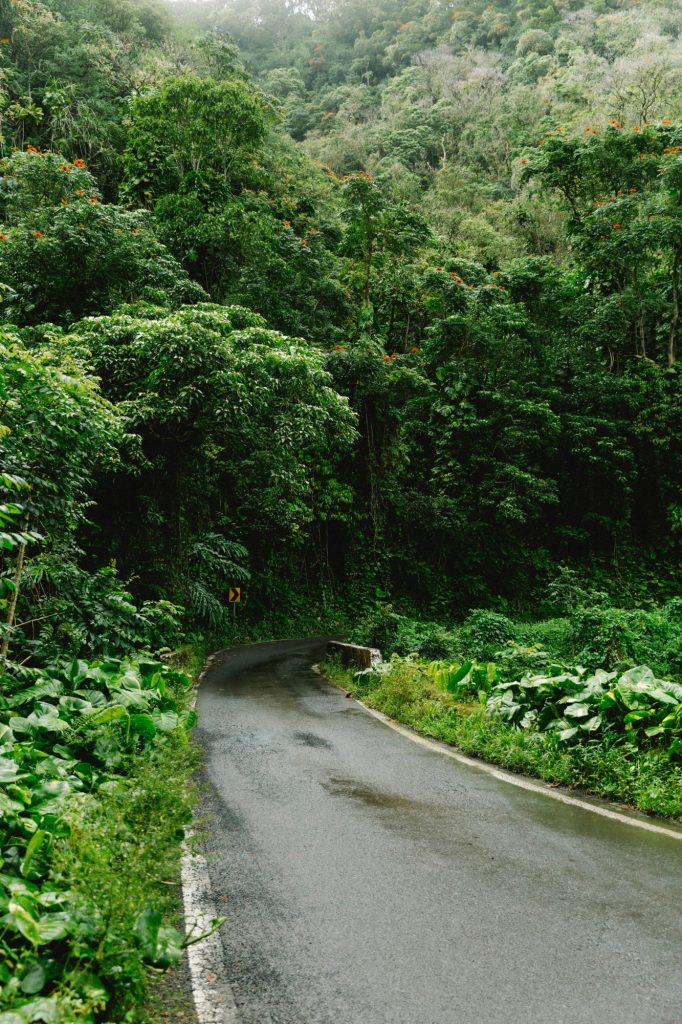
Most travelers start early in the morning and spend the day stopping at waterfalls, beaches, lookouts, botanical gardens, roadside fruit stands, and hiking trails before eventually reaching Hana itself.
But honestly, Hana is only part of the story.
The real experience is what happens between the stops.
The Moment Maui Starts to Feel Wild
At first, the drive feels relatively normal. Then somewhere after Paia, everything shifts.
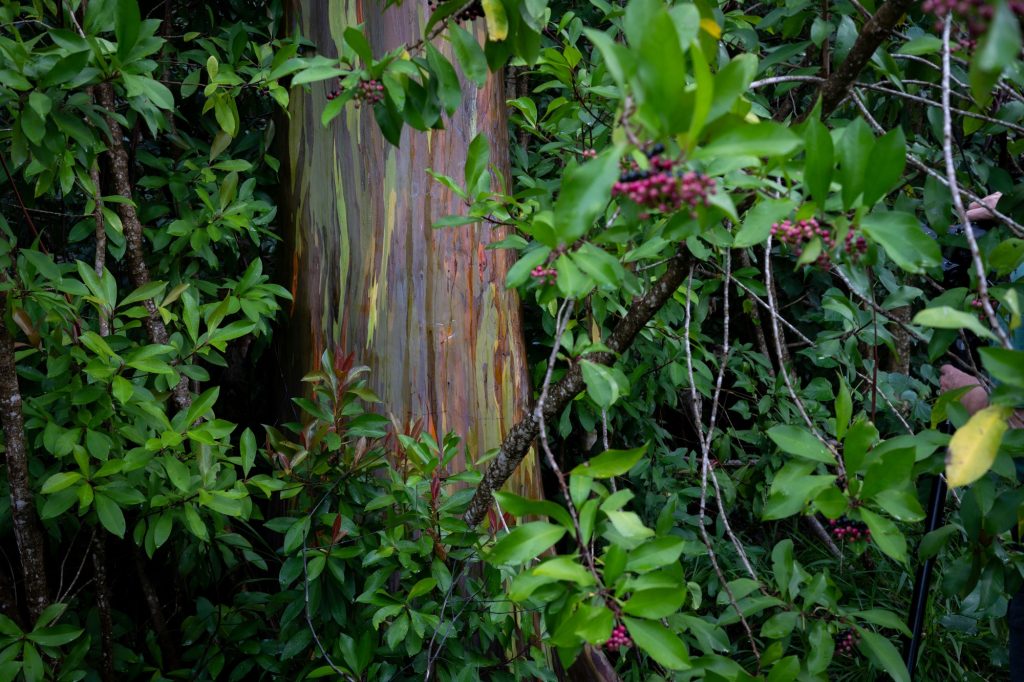
The landscape becomes impossibly green. Massive eucalyptus trees tower overhead. The air feels heavier with moisture. The road twists tightly around cliffs while waterfalls appear out of nowhere beside the pavement.
You quickly realize why this drive has become legendary.
There’s a cinematic quality to the Road to Hana that photos never fully capture. The colors are richer in person. The jungle is louder. Birds echo through the trees while waves crash far below the cliffs. Even the rain feels different here, warm and soft, appearing and disappearing without warning.
One of the best things you can do is stop trying to perfectly plan every minute.
Leave room for random pull-offs.
Leave room for fruit stands.
Leave room for places you never expected.
That’s usually where the best memories happen.
Twin Falls Is Often the First Stop
One of the first major stops along the route is Twin Falls, and it’s popular for good reason.
The short walk leads through tropical greenery toward waterfalls and swimming holes that feel like a preview of what’s ahead. Depending on recent rainfall, the falls can range from gentle streams to powerful cascades.
It’s also where many people realize this is not going to be a typical beach day in Maui.
You’re entering rainforest territory now.
The humidity rises. The jungle thickens. The scenery becomes dramatic in a completely different way than the dry beaches of South Maui.
Banana Bread Deserves the Hype
It sounds ridiculous until you try it.
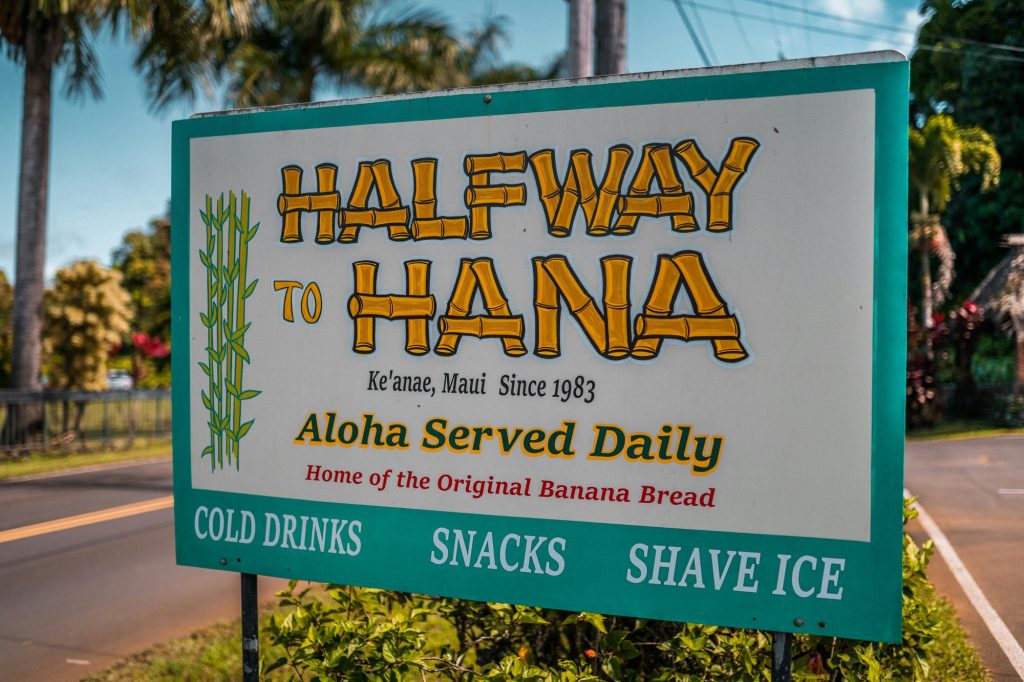
Warm banana bread on the Road to Hana somehow tastes better than banana bread anywhere else. Maybe it’s the fresh ingredients. Maybe it’s the setting. Maybe it’s because you’re eating it while surrounded by jungle and ocean cliffs.
Either way, stopping for banana bread becomes part of the ritual.
Roadside stands appear throughout the drive selling fresh coconuts, smoothies, grilled banana bread, and tropical fruit picked nearby. Some are tiny family-run stands operating on the honor system.
The slower pace is part of what makes the Road to Hana feel different from other tourist attractions in Hawaii. It still feels local in many ways.
Waterfalls Are Everywhere
You stop counting waterfalls after a while.
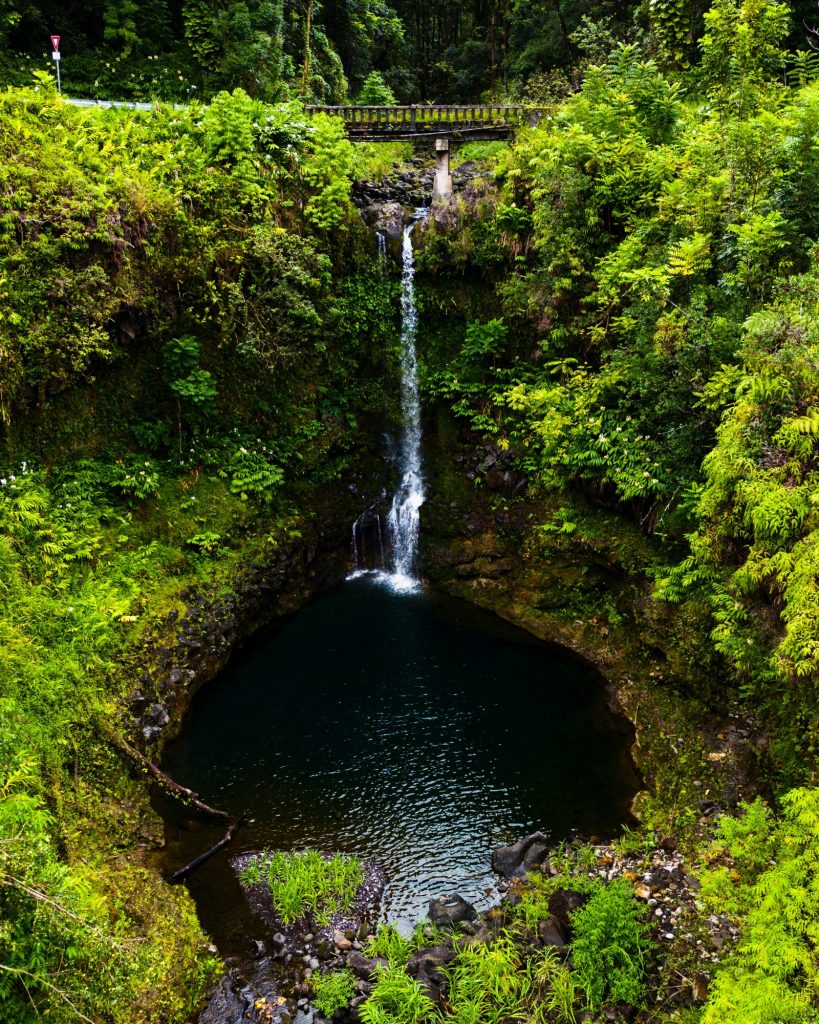
Some pour dramatically down sheer cliffs right beside the road. Others require short hikes through muddy jungle trails. Tiny unnamed falls appear around random bends while larger waterfalls gather crowds at overlooks.
The thing no one really tells you is that the waterfalls are constantly changing depending on rainfall.
A waterfall that’s roaring one day might barely trickle the next.
That unpredictability adds to the experience. The road feels alive. Always shifting. Always changing with the weather.
And yes, it rains often here.
But that rain is exactly why this part of Maui looks the way it does.
Waiʻānapanapa State Park Feels Almost Unreal
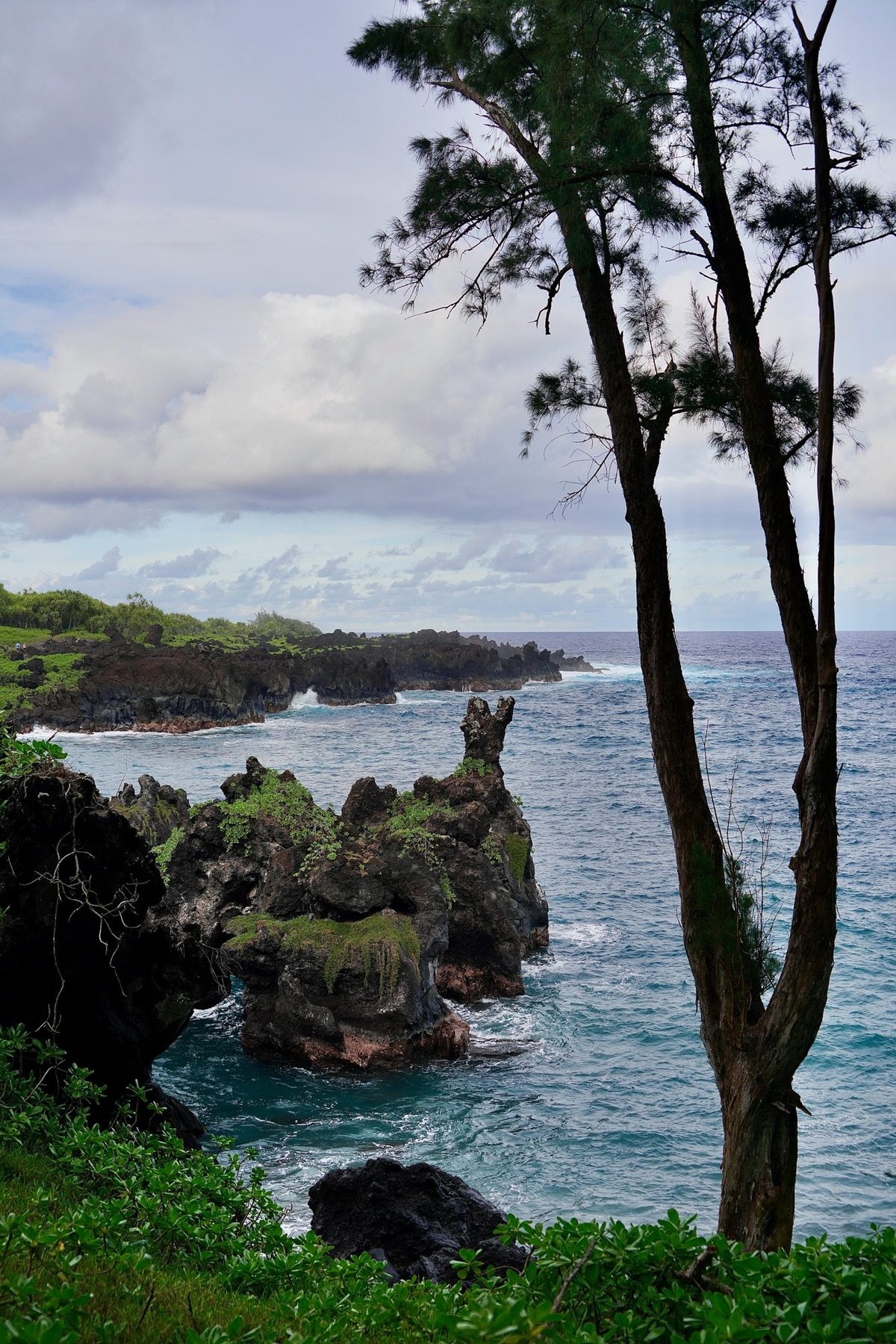
If there’s one stop that truly feels iconic, it’s Waiʻānapanapa State Park.
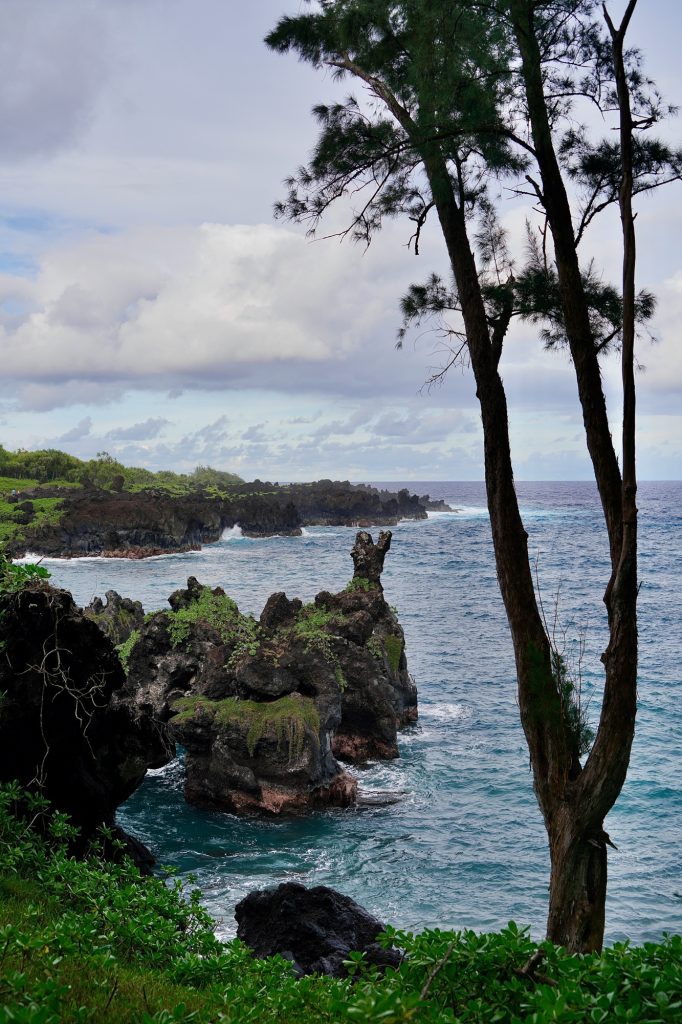
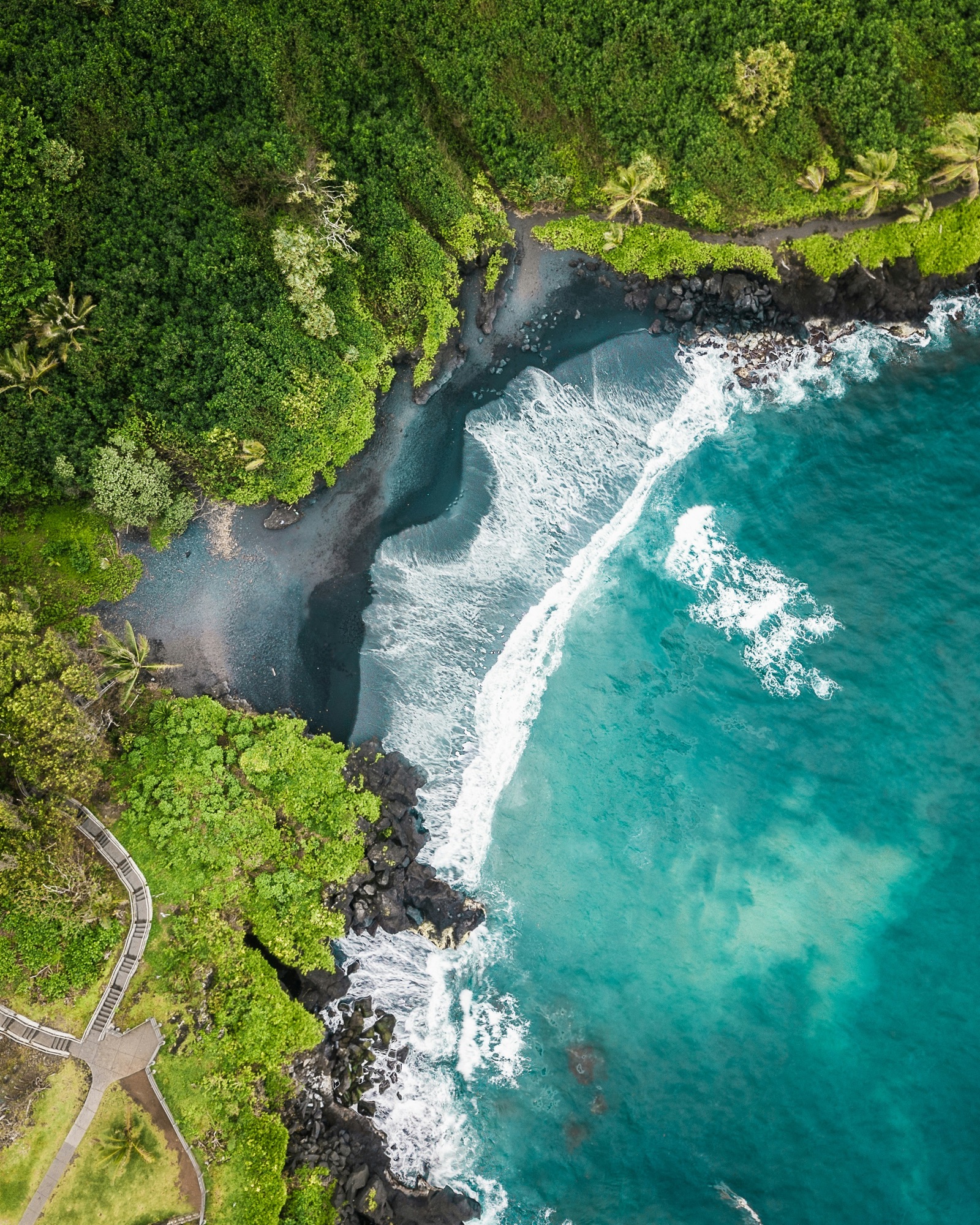
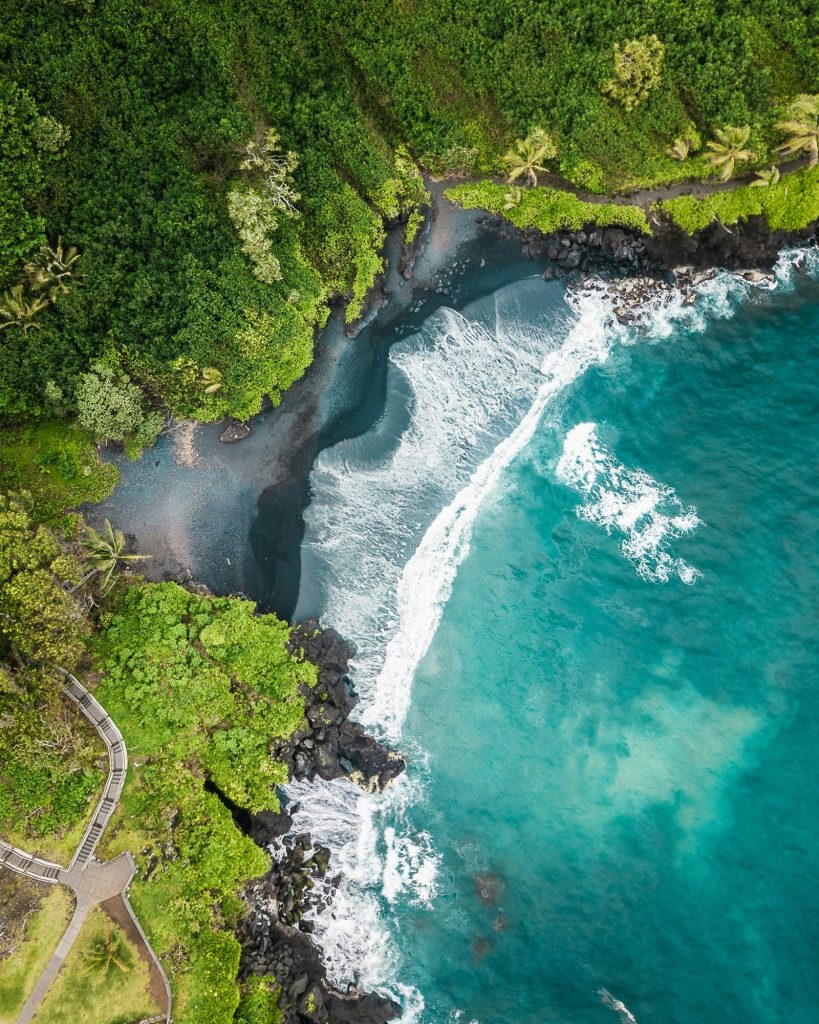
The black sand beach here looks almost unreal against the bright blue water and lush greenery surrounding it. Lava caves cut through the coastline while waves crash violently against dark volcanic rock.
It’s one of those places where people instinctively stop talking for a minute.
The contrast of colors is stunning. Jet black sand. Turquoise water. Deep green jungle.
If you visit, take your time instead of rushing in for a quick photo. Walk the coastal trail. Listen to the waves. Watch how the light changes across the rocks.
This stretch of coastline feels ancient.
Hana Is Sleepy in the Best Way
By the time you finally reach Hana, you may be surprised by how quiet it feels.
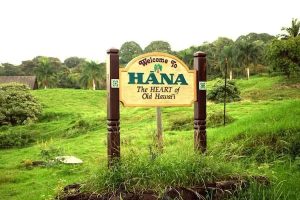
People sometimes expect a bustling beach town after spending hours driving toward it. Instead, Hana is small, slow, and deeply laid back. That’s part of its charm.
There are no giant resorts dominating the coastline. No high-rise hotels. No packed shopping districts.
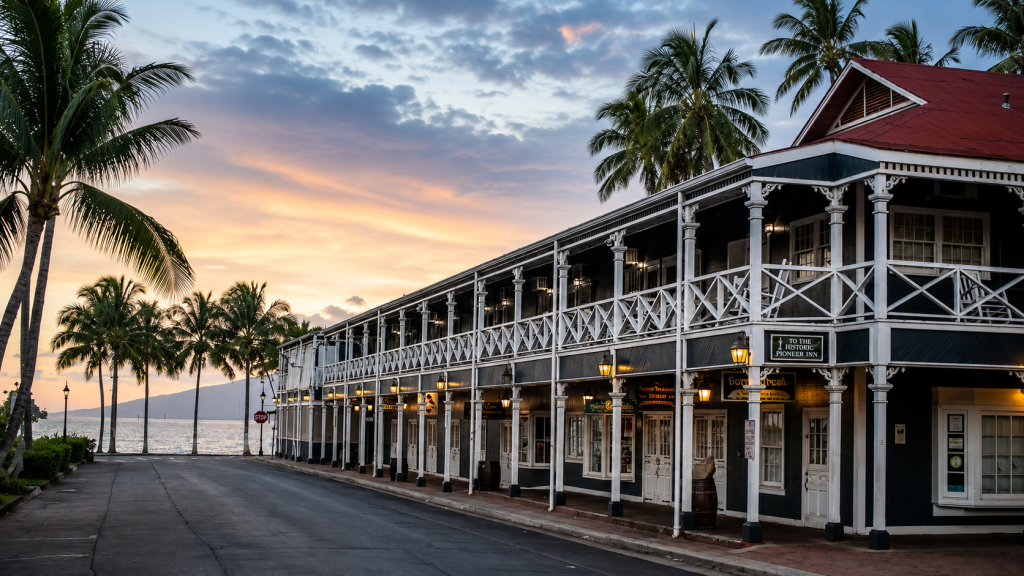
Hana feels more connected to old Hawaii than many other parts of Maui.
And honestly, if you can, spending the night changes the experience completely.
Most visitors turn around and drive back the same day, which makes for a very long and exhausting trip. Staying overnight allows the road to empty out. The waterfalls quiet down. The beaches become peaceful again.
Sunrise in Hana feels entirely different than midday Hana.
The Road Back Feels Different
Something shifts on the return drive.
Maybe it’s exhaustion. Maybe it’s the way the scenery changes when viewed from the opposite direction. Or maybe it’s because the Road to Hana forces you to slow down in a way most vacations don’t.
By the drive back, people usually stop worrying about schedules.
They pull over more often.
They notice more details.
They stop trying to “complete” the road.
The Road to Hana is not really about accomplishing something.
It’s about experiencing Maui beyond the resorts and curated vacation photos. It’s about seeing the island become wilder, quieter, and more untamed mile by mile.
Tips for Driving the Road to Hana
A few things genuinely make the experience better:
Start early
The earlier you leave, the fewer crowds you’ll encounter at popular stops.
Don’t overpack your itinerary
Trying to stop everywhere usually leads to stress. Pick a handful of places and leave room for spontaneity.
Bring cash
Some roadside stands are cash only.
Download maps beforehand
Cell service becomes unreliable in parts of the drive.
Respect private property
Not every waterfall or trail is public access. Pay attention to signs and stay respectful of local communities.
Motion sickness can happen
The curves are constant. If you’re sensitive to winding roads, come prepared.
Why the Road to Hana Stays With People
Long after the trip ends, most people don’t just remember one waterfall or one beach.
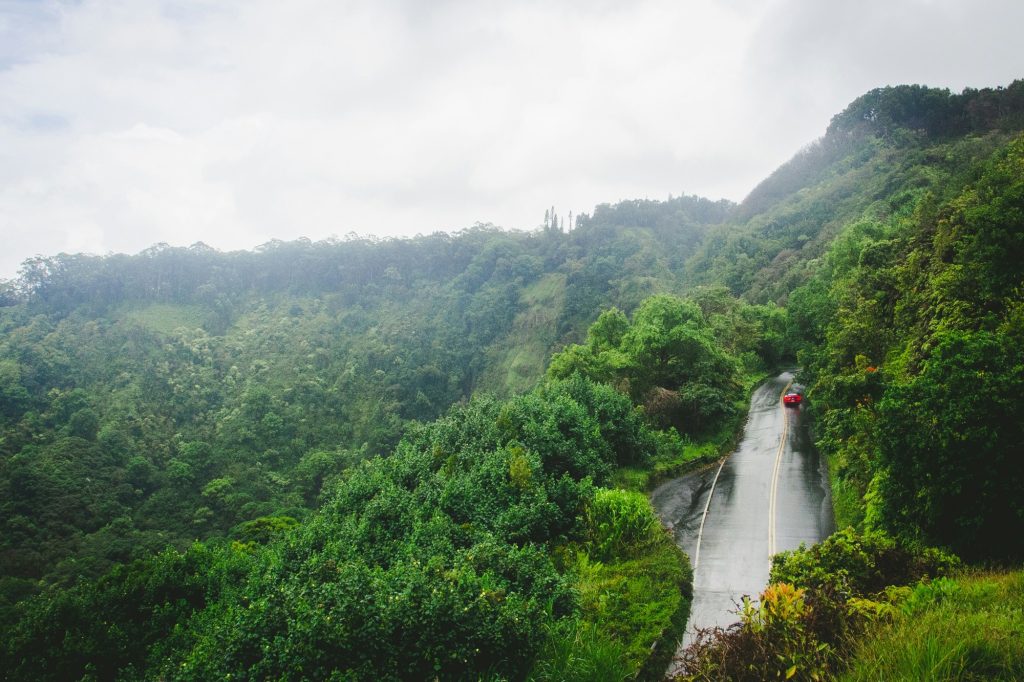
They remember the feeling of the drive.
The rain hitting the windshield while jungle fog rolled through the trees.
The smell of fresh banana bread.
The windows down as ocean air rushed through the car.
The tiny roadside stands.
The cliffs.
The curves.
The feeling of being somewhere that still feels beautifully untamed.
The Road to Hana is winding, slow, and full of unexpected turns.
That’s what makes it feel less like a drive and more like a discovery.