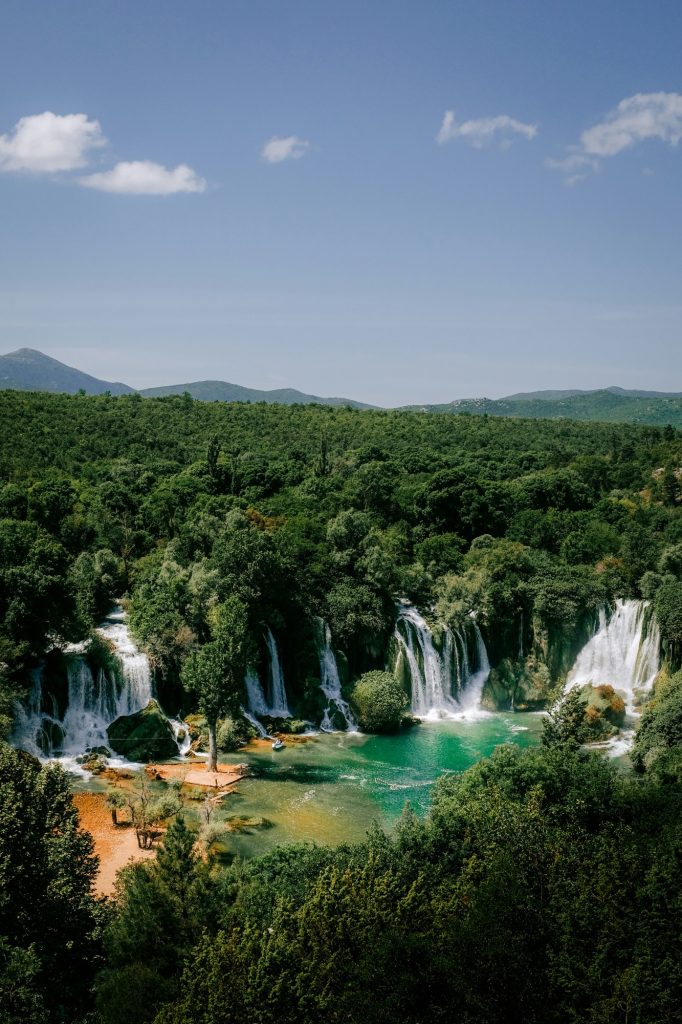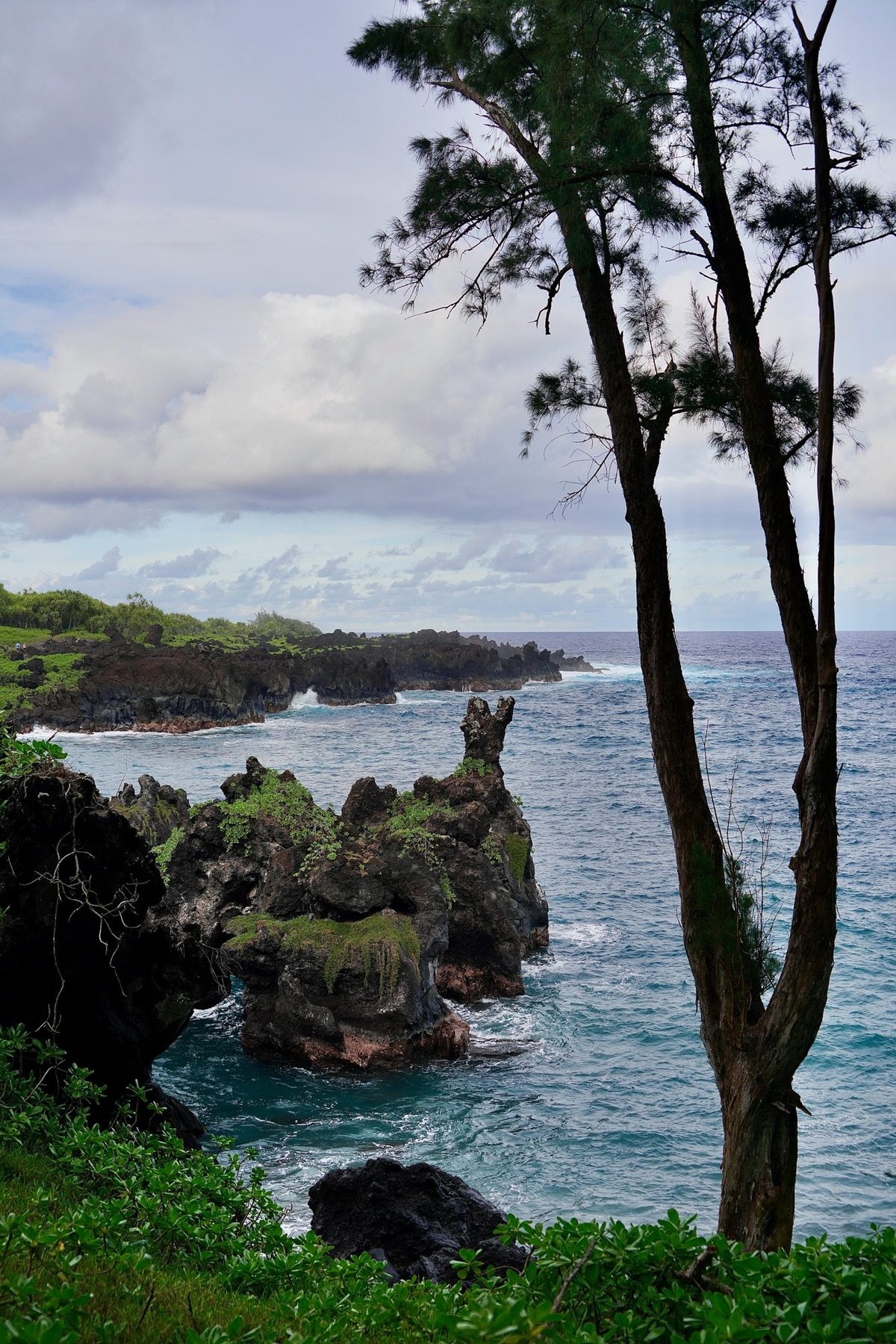

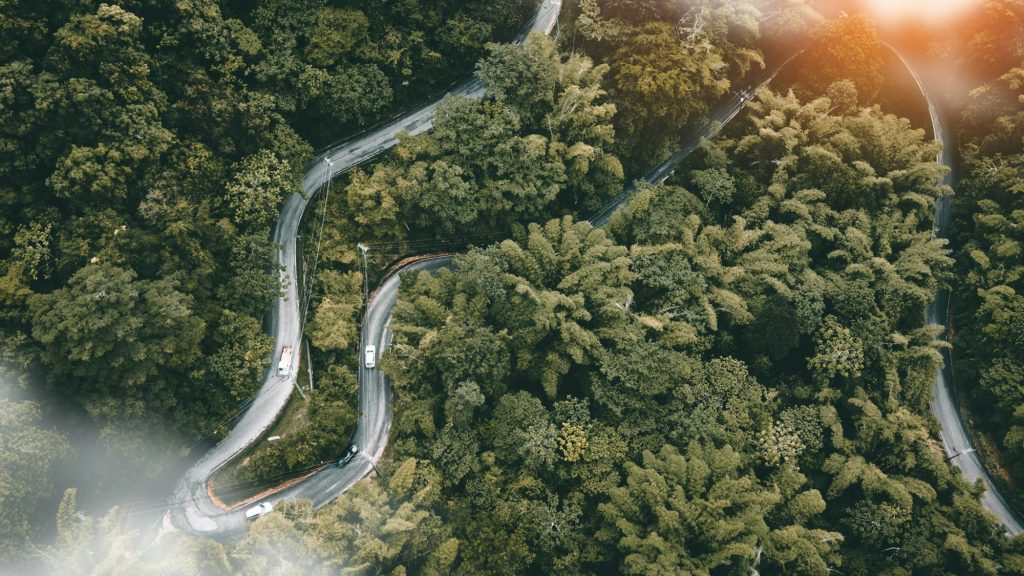
There’s a moment when you arrive in Tobago that feels different from other Caribbean islands. It’s quieter, less polished, and more grounded. The air feels thicker with green. The roads curve instead of rush. The coastline isn’t lined with towering resorts, but with palms, fishing villages, and long stretches of beach that feel like they belong to no one in particular.
Where the Caribbean Still Feels Real
Tobago is the smaller, quieter sister island of Trinidad, and it has managed to hold onto something rare. While much of the Caribbean has leaned into large-scale tourism, Tobago has stayed rooted in something simpler. Life here moves at a different pace, one that isn’t dictated by itineraries or packed excursions.
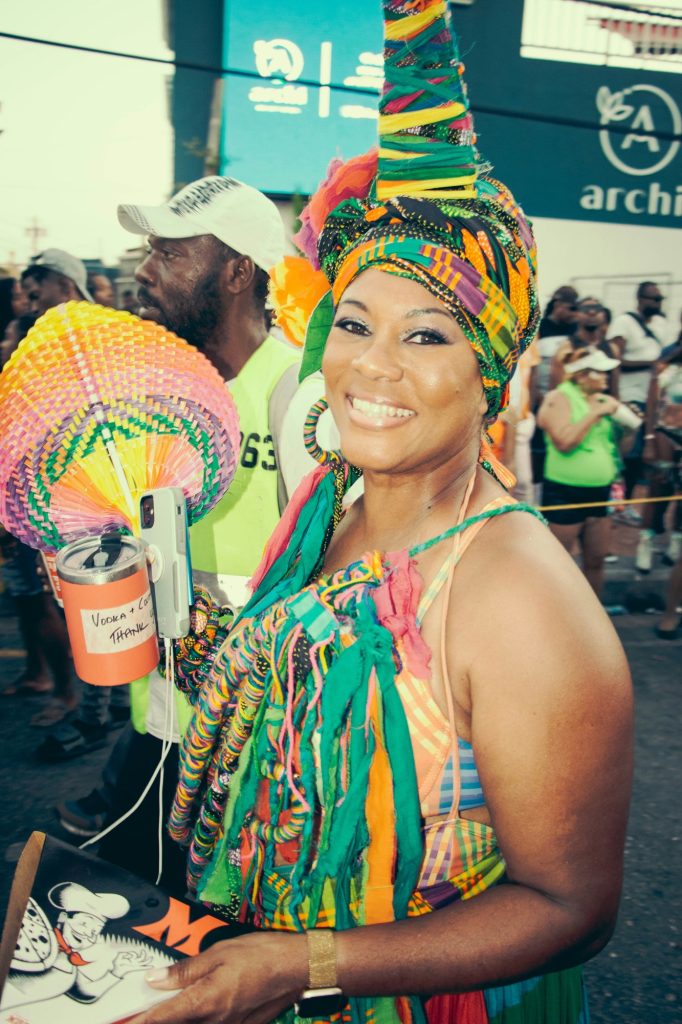
You feel it in the way people greet you, unhurried and genuine. You feel it in the lack of crowds, even in places that would be considered headline attractions elsewhere. And you feel it most in the spaces between, the empty beaches, the winding roads, the moments where nothing is happening and yet everything feels full.
Beaches That Don’t Feel Discovered
It’s easy to assume every Caribbean island has been photographed and shared a thousand times over. Tobago challenges that idea almost immediately.
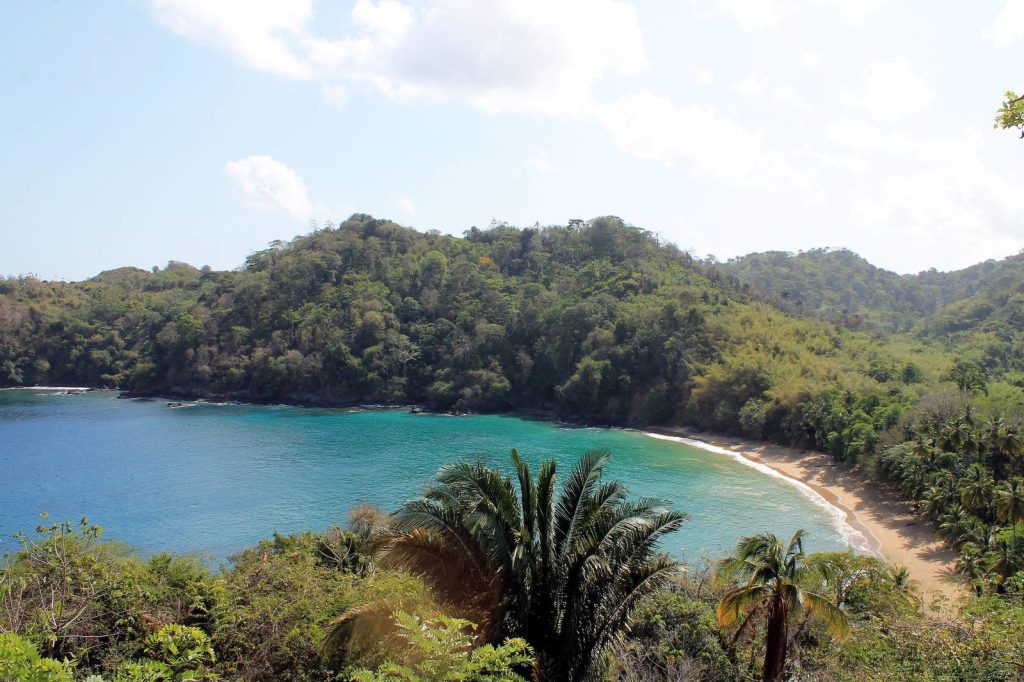
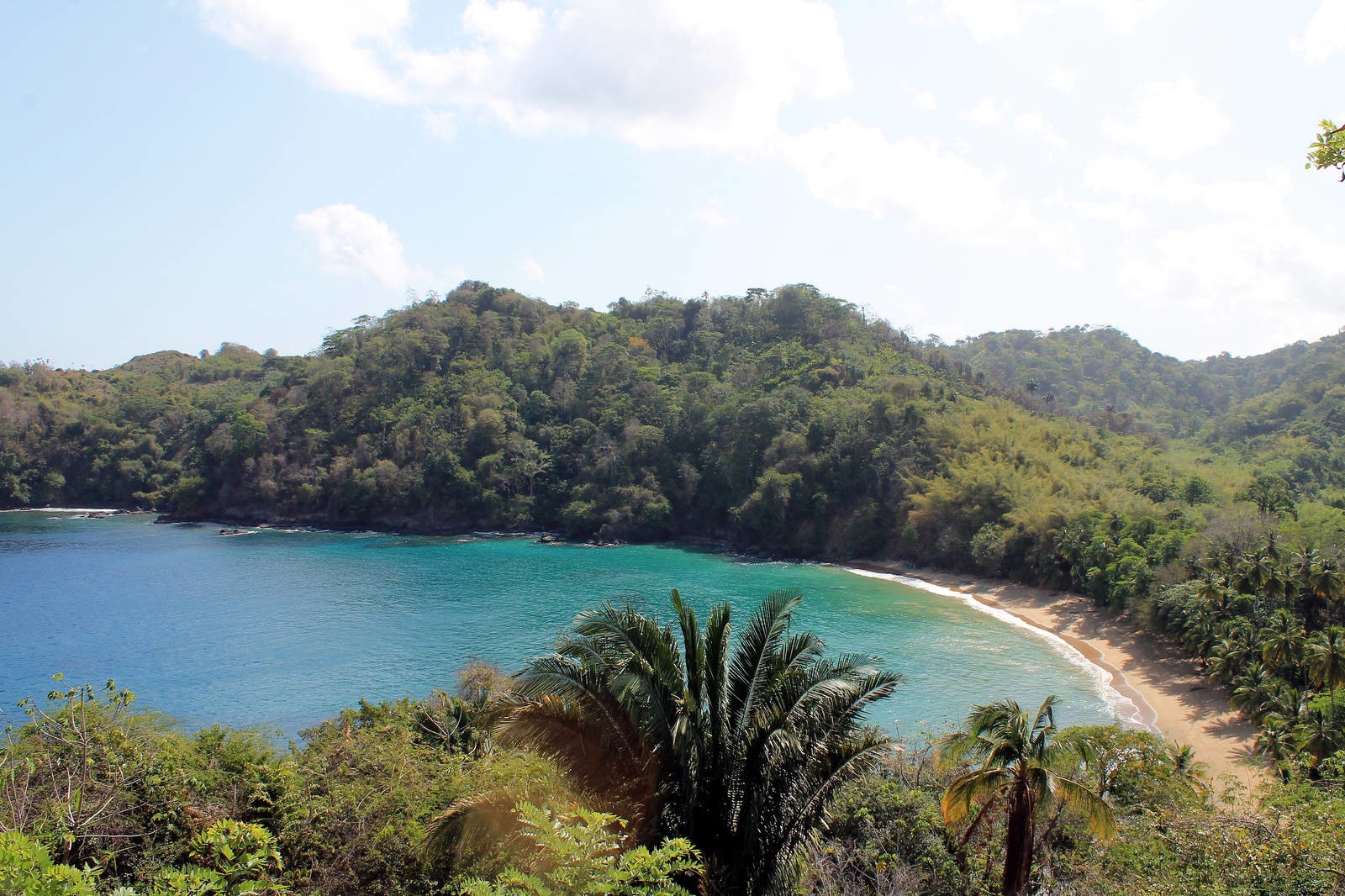
Take Englishman’s Bay, tucked between lush hills on the northern coast. There’s no development pressing in, no long line of beach chairs, no sense of urgency. Just a curved stretch of sand, clear water, and the steady rhythm of waves. It feels untouched in a way that’s hard to find now.
Pigeon Point, the island’s most recognizable beach, offers a different kind of beauty. The iconic wooden jetty stretches into water that shifts from pale blue to deep turquoise. Even here, where you might expect crowds, the atmosphere stays relaxed. People linger. Time stretches.
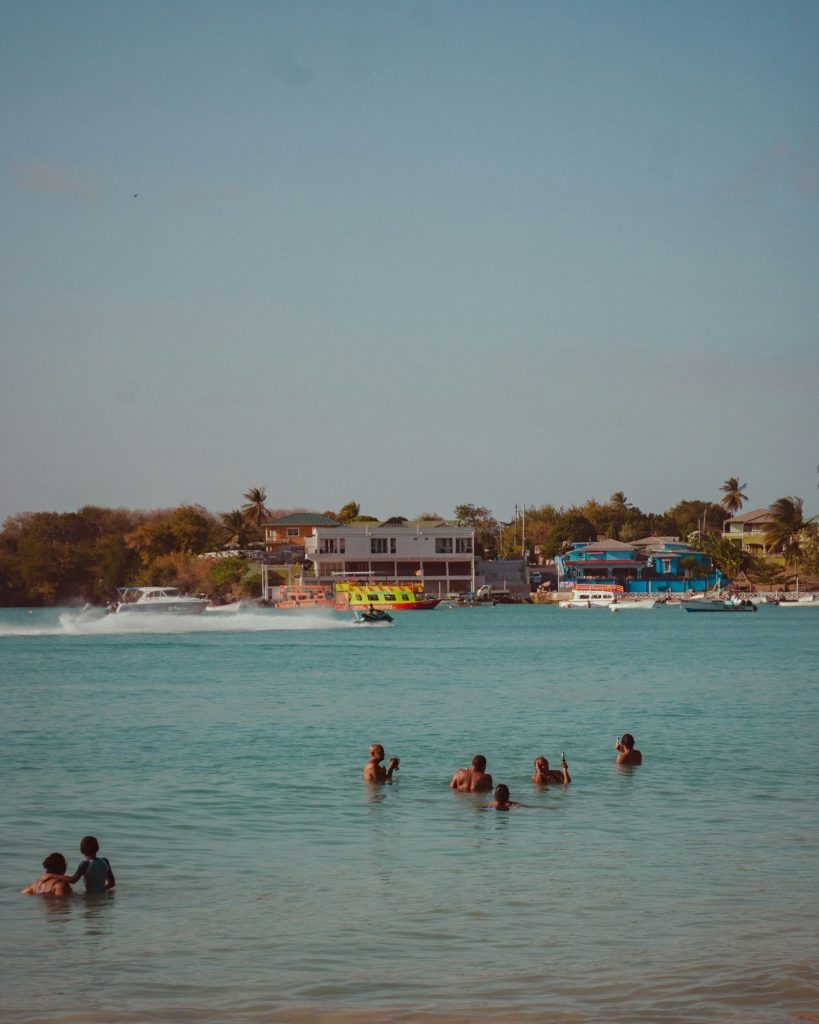
Further along the coast, smaller beaches appear almost by accident. You round a bend and suddenly there’s a quiet bay, a handful of boats, maybe a local family under the shade of a tree. No signs, no announcements. Just a place waiting to be experienced.
The Reef That Feels Like a Dream
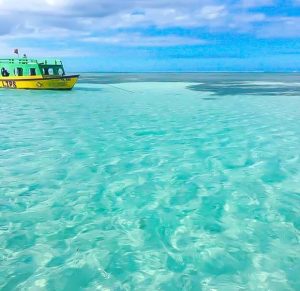
Off the southwestern coast lies Buccoo Reef, one of Tobago’s most vibrant natural experiences. Getting there is part of the charm, often by small boat, skimming over water so clear it feels unreal.
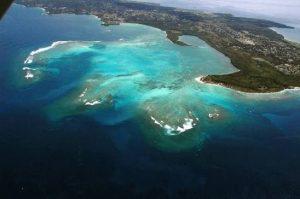
Then there’s the Nylon Pool.
Standing in the middle of the ocean, waist-deep in water that looks like glass, is one of those moments that doesn’t quite translate until you’re there. The water is warm, impossibly clear, and stretches in every direction. It feels suspended, like the horizon has shifted around you.
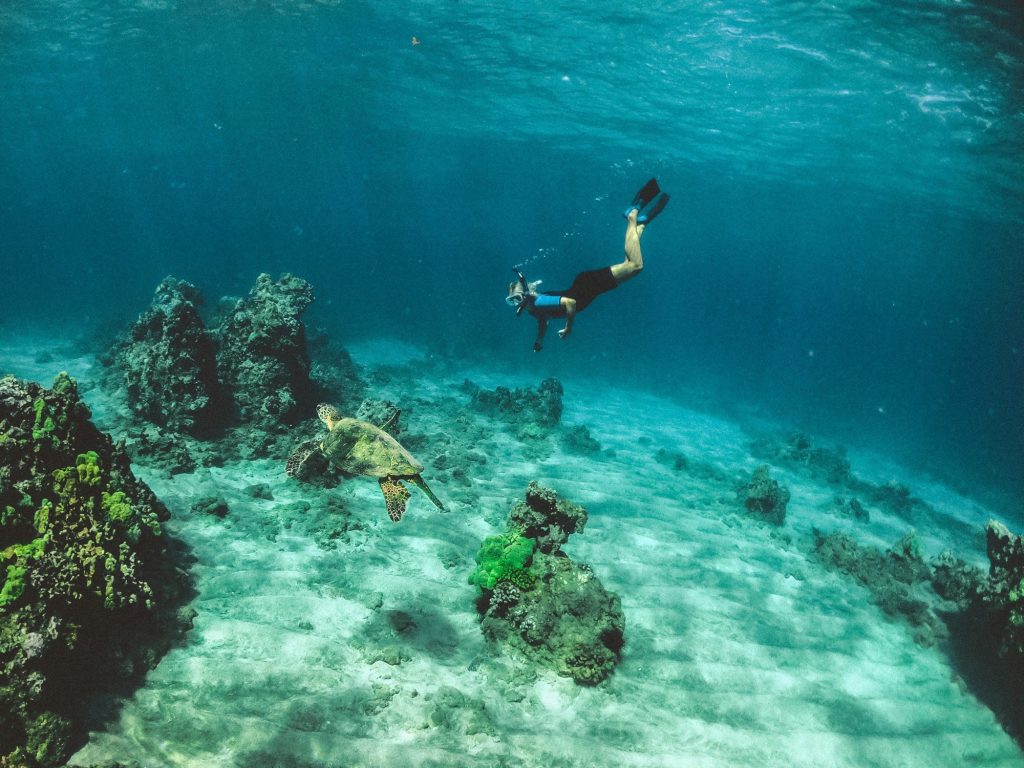
Snorkeling the reef reveals another layer. Coral formations, schools of fish, flashes of color moving just beneath the surface. It’s not overproduced or overly curated. It feels natural, alive, and just a little unpredictable.
A Rainforest Older Than You Expect
Most people don’t come to the Caribbean expecting rainforest hikes, but Tobago quietly holds one of the oldest protected rainforests in the Western Hemisphere.
The Main Ridge Forest Reserve runs along the spine of the island, dense and layered with life. Walking through it feels like stepping into a different world. The canopy filters the light into soft greens. The air is cooler, quieter, broken only by birds and the occasional rustle of leaves.
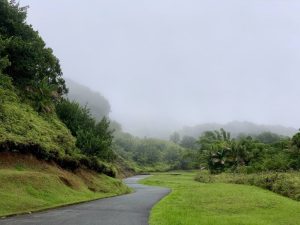
There are trails that lead to hidden waterfalls, viewpoints that open up to sweeping views of the coastline, and moments where you realize just how untouched parts of this island still are.
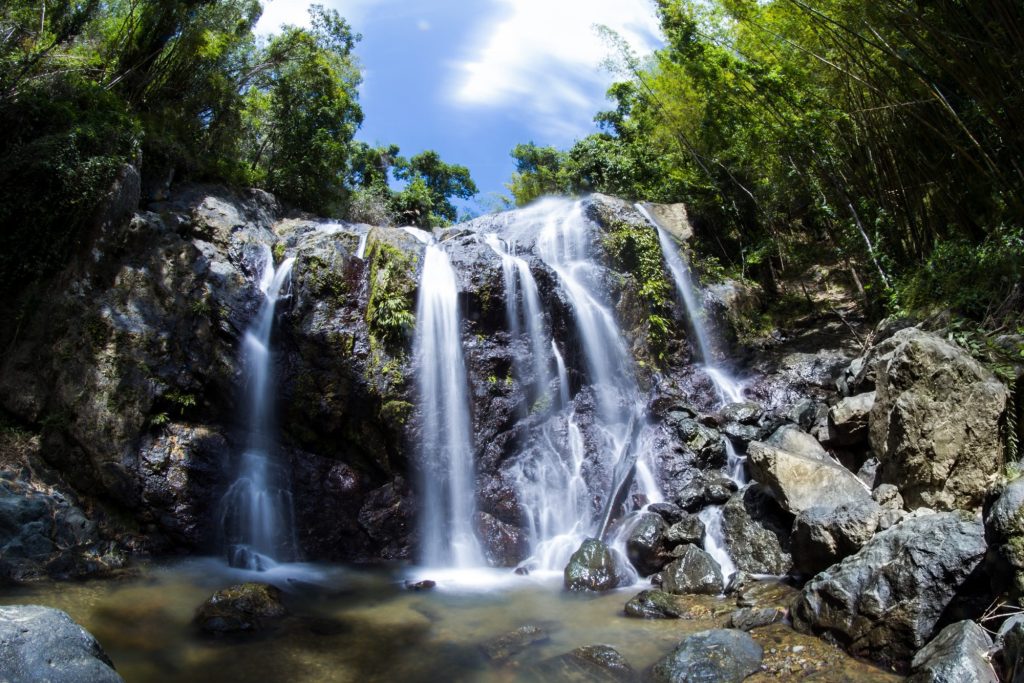
It adds a depth to Tobago that many islands don’t offer. You’re not just moving between beaches. You’re moving through ecosystems.
Castara and the Rhythm of Daily Life
If there’s a place that captures the heart of Tobago, it might be Castara.
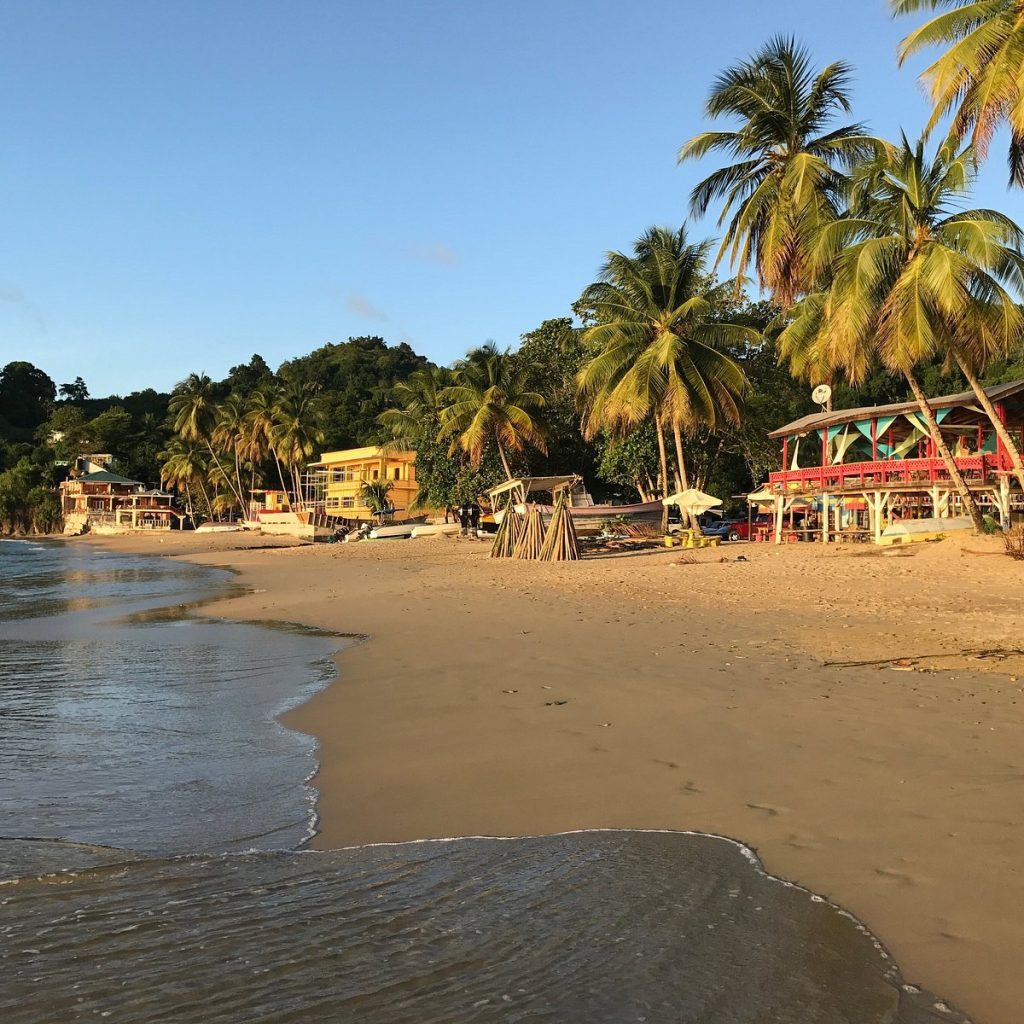
This small fishing village sits along a crescent-shaped bay, where colorful houses climb gently up the hillside and boats rest on the sand. In the late afternoon, fishermen return with their catch, pulling nets onto the shore as the sun begins to dip.
It’s not a performance. It’s just life.
You can sit on the beach and watch it unfold, the quiet coordination, the rhythm that hasn’t changed much over time. There are no large resorts here, just small guesthouses, local restaurants, and a sense of community that feels genuine.
Dinner might be freshly caught fish, grilled simply, served with flavors that reflect the island’s mix of influences. You don’t need much more than that.
Wildlife Encounters That Feel Personal
Tobago offers a different kind of wildlife experience. It’s not about large-scale tours or curated encounters. It’s about moments that feel unexpected and close.
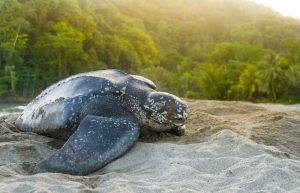
Sea turtles nest along parts of the coastline, returning each year to the same beaches. If you’re there at the right time, you might witness it, quietly and respectfully, under the guidance of local conservation groups.
Snorkeling or swimming in certain areas, you may find yourself alongside a turtle, moving slowly and effortlessly through the water. There’s no barrier, no distance. Just a shared moment.
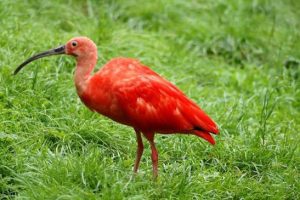
Birdlife is just as impressive. Tobago is home to species that draw enthusiasts from around the world, but even if you’re not looking for them, you’ll notice them. Bright flashes of color, calls echoing through the trees, movement that brings the landscape to life.
Food That Reflects the Island
The food in Tobago is a reflection of its culture, simple, flavorful, and deeply rooted.
Why Tobago Still Feels Like a Secret
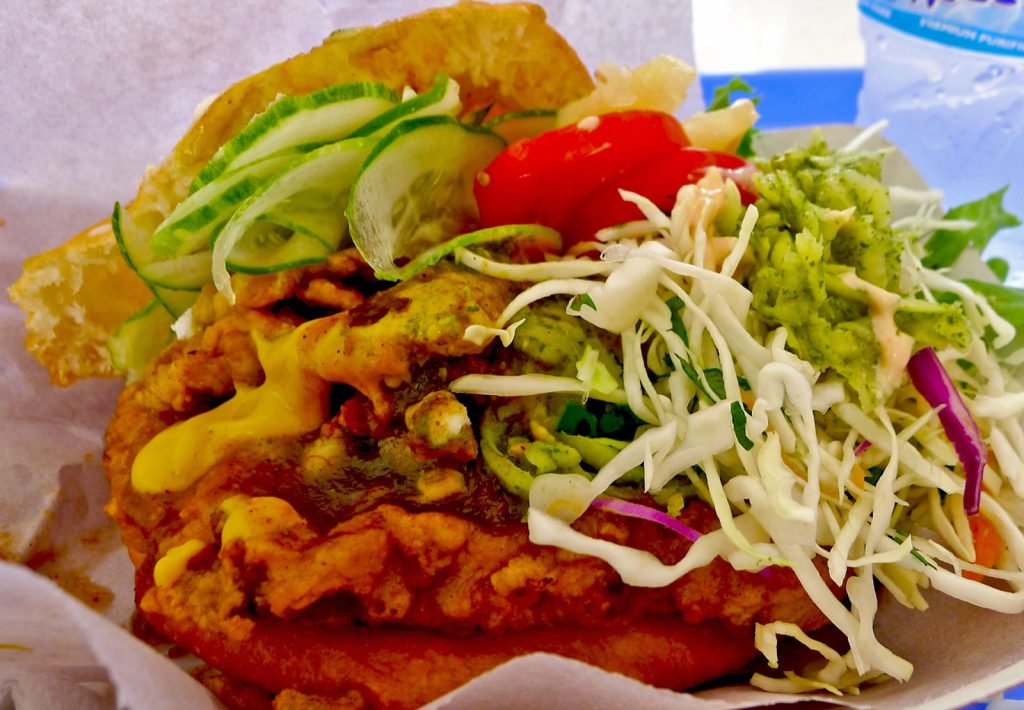
Fresh seafood is everywhere, often caught the same day it’s served. Dishes like curry crab and dumplings are local staples, rich and satisfying. Street food adds another layer, from doubles to grilled meats, each with its own distinct flavor.
Meals here are meant to be enjoyed, often with a view of the ocean, a breeze coming through, and time that feels like it’s been given back to you.
In a world where so many destinations feel curated and optimized, Tobago stands apart by not trying to be anything other than what it is.
It hasn’t been overbuilt. It hasn’t lost the connection between its people, its landscape, and its rhythm.
That’s what makes it feel like a secret.
It’s not that no one knows about Tobago. It’s that it hasn’t been changed by that knowledge. It still offers space, quiet, and authenticity in a way that feels increasingly rare.
You don’t come here to check off a list. You come here to slow down, to notice, to feel something a little more grounded.
And when you leave, it doesn’t feel like you’ve just visited another Caribbean island.
It feels like you’ve found something.