
Glacier National Park is often described as one of the most beautiful places in the United States, and that’s not an exaggeration. But what many people don’t realize before visiting is how different the experience can be depending on when you go, how you plan, and how willing you are to slow down once you arrive.
This isn’t a park you rush through. It rewards patience. It rewards early mornings. It rewards the kind of traveler who is willing to pause, look a little longer, and take the scenic route even when it adds time.
When to Visit and What to Expect
One of the most important things to understand is that Glacier operates on its own schedule. The park’s most famous drive, the Going-to-the-Sun Road, is only fully open for a few months each year, typically from late June through mid-October. Snow lingers well into early summer, and closures can happen at any time.
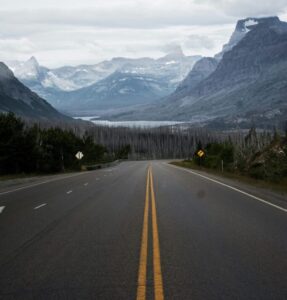
If your trip depends on driving the full road, build in flexibility. Late June and early September tend to be ideal. You still get access to most areas, but with fewer crowds and slightly better availability for lodging. July and August offer the best weather, but they are also the busiest months.
Parking fills early. Popular spots like Logan Pass can be full before 8 am. Planning your days around this reality makes a huge difference.
Choosing Where to Stay
Where you stay in Glacier matters more than most people expect. The park is large, and driving between areas takes time.
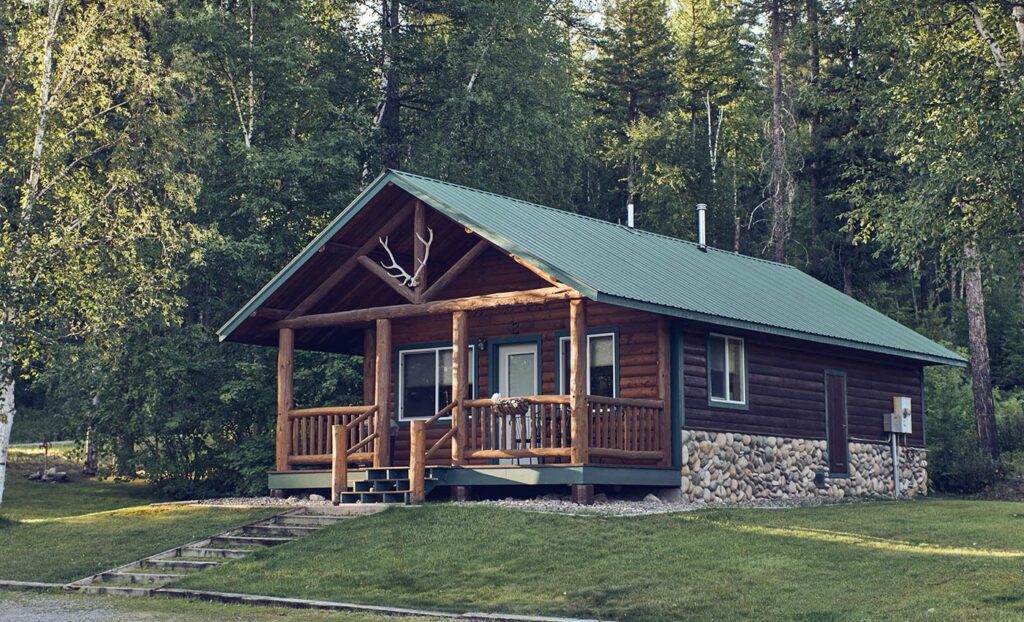
The west side, near West Glacier and Whitefish, is easier to access and has more options for restaurants and accommodations. It’s a good base if you want convenience.
The east side feels completely different. It’s quieter, more remote, and often windier. Areas like St. Mary and Many Glacier offer some of the most dramatic landscapes in the park. Many Glacier, in particular, is worth prioritizing if you can. The scenery is striking, and wildlife sightings are more common here, especially early in the day.
The Reality of Driving the Park
Distances in Glacier can be deceiving. What looks short on a map can take much longer in reality. Roads are narrow and winding, and you will want to stop often.
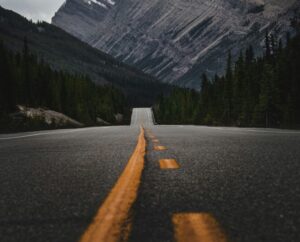
The Going-to-the-Sun Road is not something to rush. It’s best experienced slowly, with time to pull over, take photos, and simply look around. Trying to see everything in one day usually leads to frustration.
Instead, plan fewer stops and give yourself time to enjoy each one.
Start Early for the Best Experience
Early mornings are one of the easiest ways to improve your trip. The light is softer, the air is cooler, and the crowds are minimal.
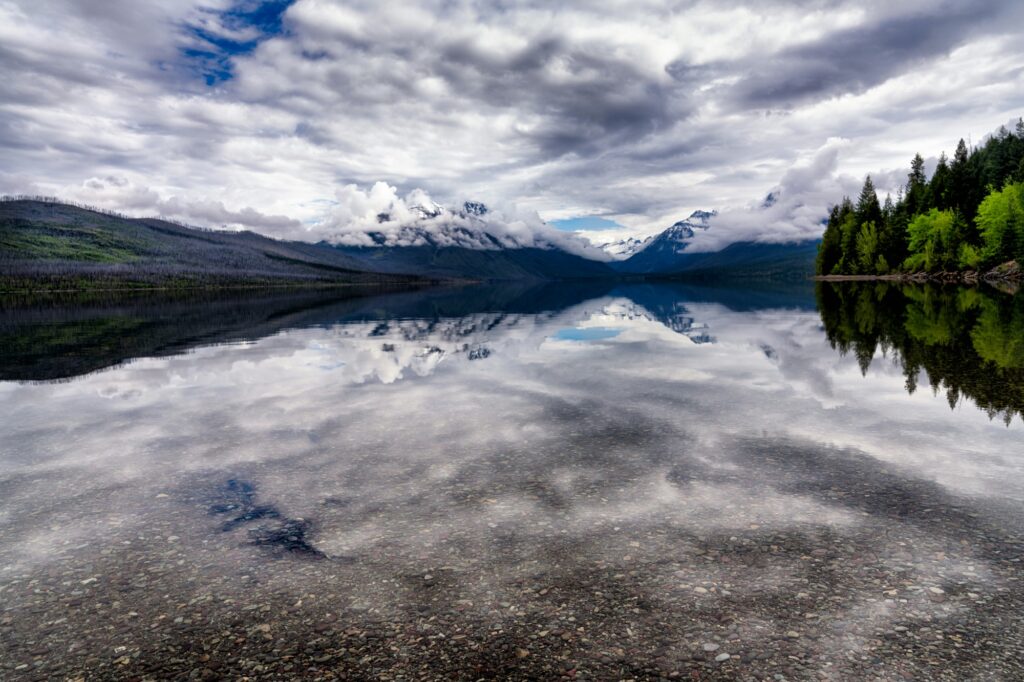
Lakes like Lake McDonald and Swiftcurrent Lake are often completely still at sunrise, creating reflections that disappear once the wind picks up later in the day. Wildlife is also more active in the early hours.
By mid-morning, parking lots fill, trails get busier, and the experience changes.
Hiking Without Overcomplicating It
You don’t need to be an experienced hiker to enjoy Glacier, but getting out on a trail is where the park really starts to feel alive.
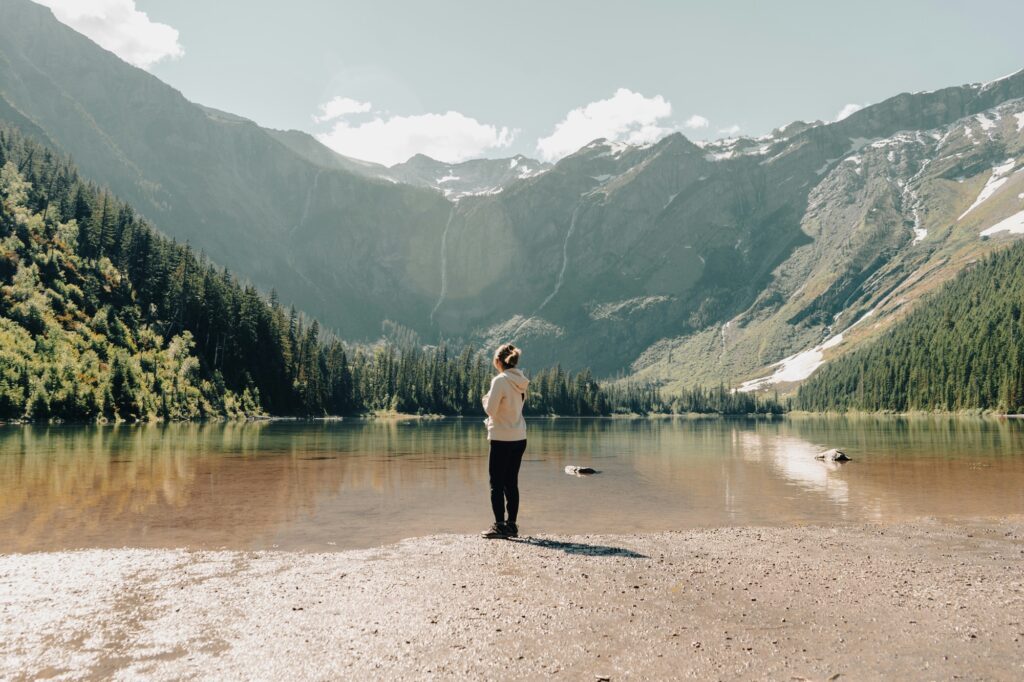
Avalanche Lake is one of the most popular hikes for a reason. It’s accessible and delivers a big payoff, with waterfalls cascading down the surrounding cliffs.
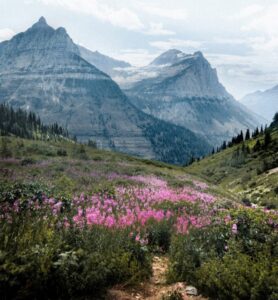
Hidden Lake Overlook near Logan Pass offers sweeping views and frequent wildlife sightings. It’s a great option if you want something shorter but still memorable.
If you’re looking for fewer crowds, head to the Two Medicine area. It’s quieter but just as beautiful, with open meadows, mountain views, and a more relaxed pace.
Wildlife and Safety Tips
Glacier is true wilderness. You are in bear country here, with both black bears and grizzly bears.
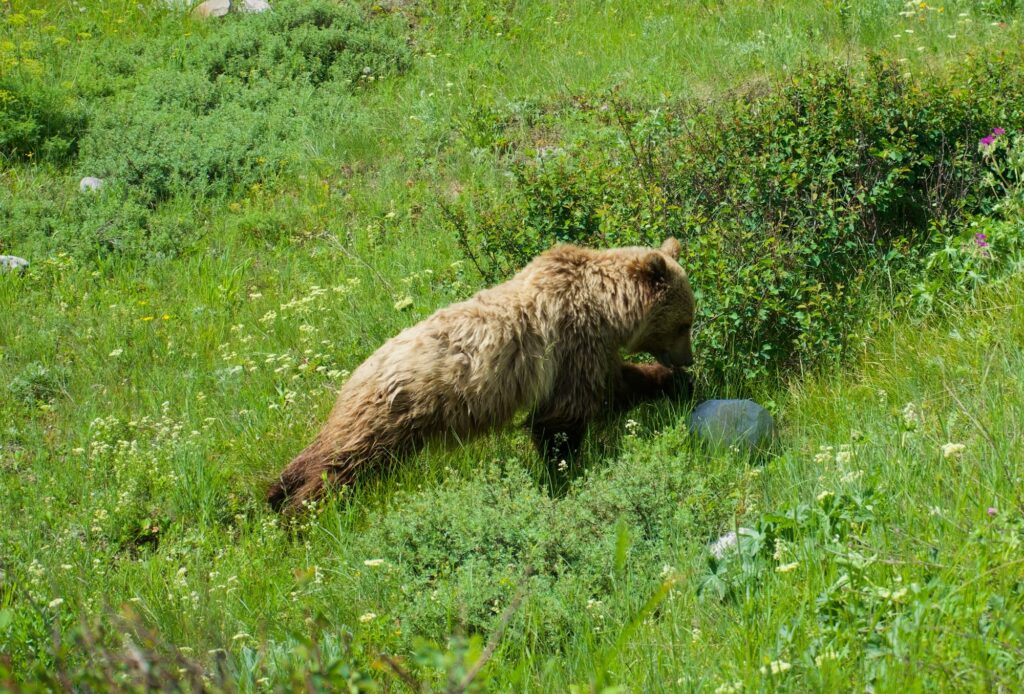
Carrying bear spray is strongly recommended. It’s easy to rent or buy near the park, but knowing how to use it is just as important. Hike in groups when possible, make noise on the trail, and stay aware of your surroundings.
Most visitors never have an issue, but this is not a place to ignore basic precautions.
When You Want a Little More Action
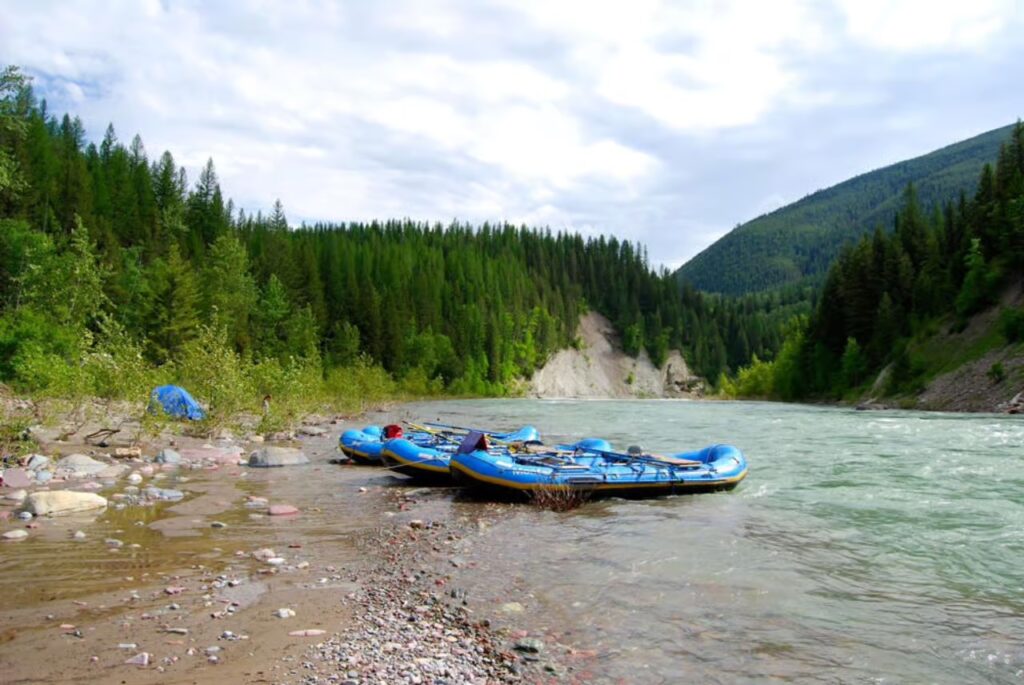
If you’re ready to trade calm water for something a little more adventurous, whitewater rafting near Glacier National Park is an easy way to shift the pace.
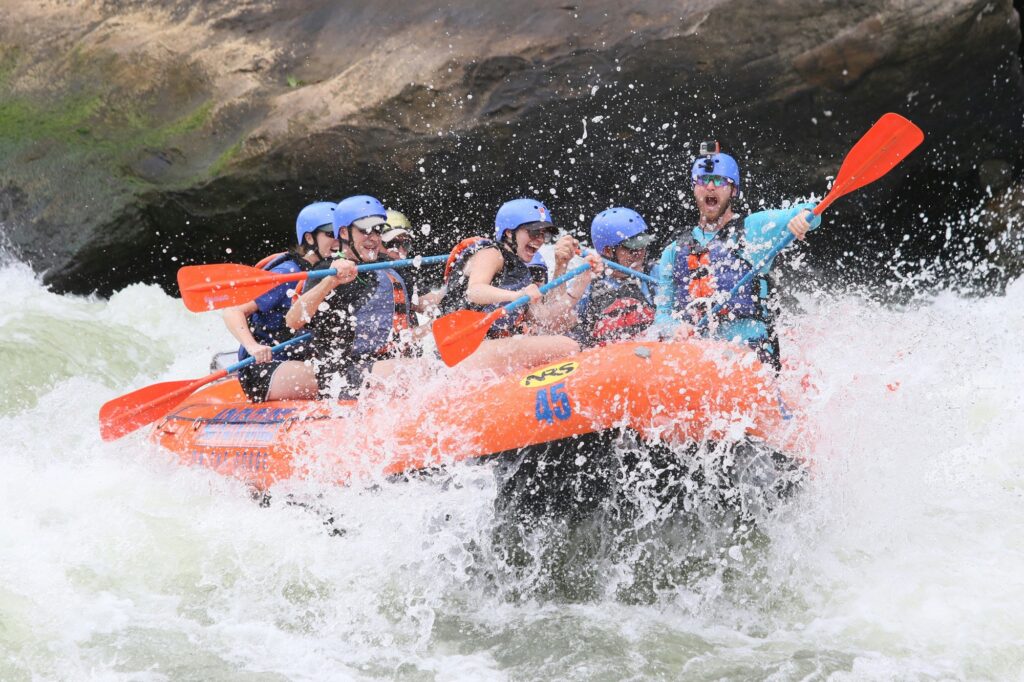
Floating down rivers like the Flathead, you’ll move through forested valleys and beneath towering peaks, with stretches of calm water broken up by fun, splashy rapids. It’s beginner-friendly but still gives you that sense of adventure, making it a great contrast to the slower moments on the lake
Boat Tours and Slower Moments
If you want a break from driving and hiking, consider a boat tour. Lakes like St. Mary, Swiftcurrent, and Lake McDonald offer guided rides that give you a different perspective of the park.
These slower moments often end up being some of the most memorable. Sitting on the water, surrounded by mountains, you start to notice details you might otherwise miss.
What to Know Before You Go
Services inside the park are limited. It’s a good idea to bring snacks, water, and anything you might need for the day.
Cell service is minimal in many areas, so download maps ahead of time and plan accordingly. Let someone know your plans if you’re heading out on longer hikes.
Also be aware of the vehicle reservation system. During peak months, certain areas require timed entry reservations in addition to your park pass. These can sell out quickly, so check current requirements well before your trip.
Weather Can Change Quickly
Even in summer, Glacier’s weather can shift throughout the day. Mornings are often cool, afternoons can warm up, and storms can move in unexpectedly.
Layers are key. A light jacket is worth bringing, especially if you plan to spend time at higher elevations like Logan Pass.
Photography and Timing
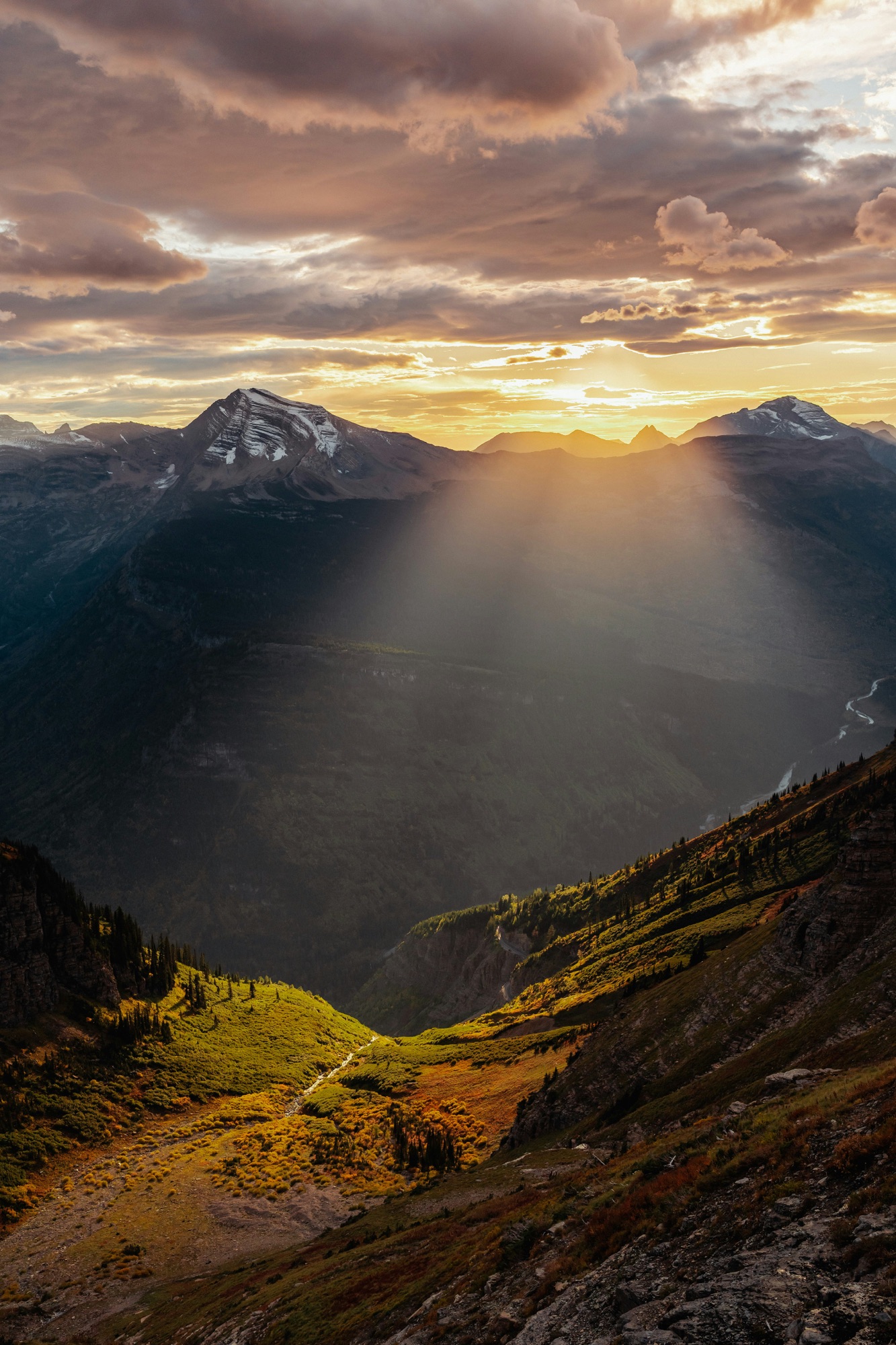
Glacier is naturally photogenic, but timing matters. Sunrise and sunset offer the best light, especially for lakes and mountain peaks.
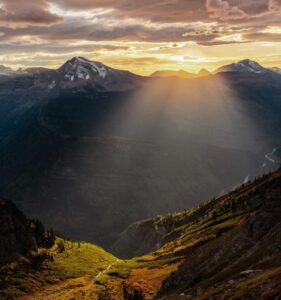
Midday light can be harsh, so if photography is a priority, plan your key stops early or later in the day.
The One Thing Most People Overlook
The biggest mistake people make is trying to do too much.
Glacier is not a checklist destination. It’s a place that reveals itself slowly. Some of the best moments happen when you stop moving. Sit by the water. Watch the light change on the mountains. Take a quiet walk without a specific destination.
Final Thoughts
Glacier National Park is more than just a collection of scenic viewpoints. It’s a place that feels vast, quiet, and still a little wild.
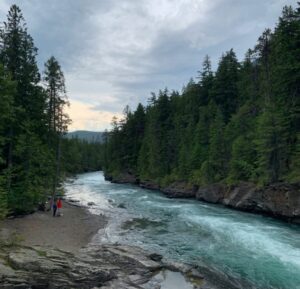
If you approach it with flexibility and give yourself time to really experience it, not just see it, you’ll leave with more than photos. You’ll leave with a feeling that stays with you long after the trip is over.