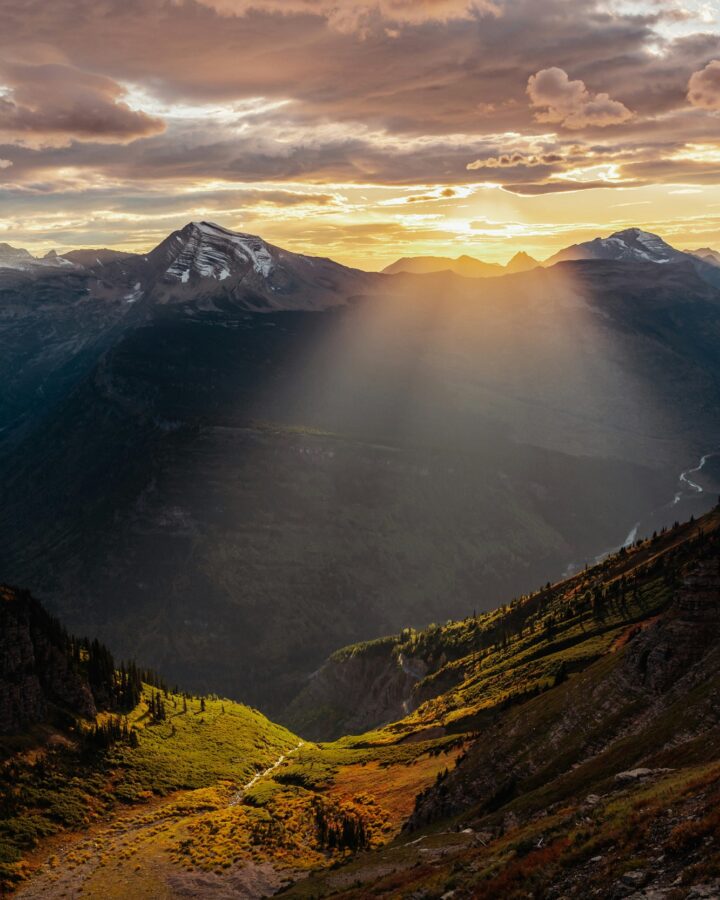
Bryce Canyon National Park is a geological wonderland nestled in southern Utah, renowned for its vibrant red and orange hoodoos—towering spires of rock sculpted by millennia of erosion. With elevations ranging from 8,000 to over 9,000 feet, the park offers a unique high-altitude desert experience, where the air is crisp, and the vistas are nothing short of breathtaking. For hikers, Bryce Canyon presents a diverse array of trails that meander through its amphitheaters, ridgelines, and forests, each offering a distinct perspective of this natural masterpiece.
Among the myriad of trails, three stand out for their exceptional beauty, accessibility, and immersive experiences: the Queen’s Garden and Navajo Loop Combination, the Peekaboo Loop Trail, and the Fairyland Loop Trail. Each of these hikes offers a unique journey through the park’s iconic landscapes, catering to various skill levels and time commitments.
1. Queen’s Garden & Navajo Loop Combination Trail
Distance: 2.9 miles (4.6 km)
Elevation Gain: 625 feet (191 m)
Difficulty: Moderate
Trailheads: Sunrise Point and Sunset Point

Often hailed as the quintessential Bryce Canyon hike, the Queen’s Garden and Navajo Loop Combination Trail offers an intimate exploration of the park’s most iconic features. This loop trail descends from the rim into the heart of the Bryce Amphitheater, allowing hikers to walk among the towering hoodoos and experience the park’s unique geology up close.
Highlights:
Queen’s Garden: Starting at Sunrise Point, the trail gently descends through a garden of hoodoos, including the notable Queen Victoria formation, which strikingly resembles the monarch herself.
Navajo Loop: As you continue, the trail connects to the Navajo Loop, where you’ll encounter the famous Thor’s Hammer—a massive hoodoo with a balancing rock atop—and the narrow switchbacks of Wall Street, a slot canyon flanked by towering walls.
Scenic Overlooks: The ascent back to the rim via Sunset Point offers panoramic views of the amphitheater, providing a rewarding conclusion to the hike.
Tips:
Direction: Hiking clockwise is recommended to tackle the steeper sections during the descent.
Seasonal Considerations: Wall Street is often closed in winter due to hazardous conditions; check trail status before embarking.
Best Time to Hike: Early morning or late afternoon to avoid crowds and enjoy optimal lighting for photography.
2. Peekaboo Loop Trail
Distance: 5.5 miles (8.8 km)
Elevation Gain: 1,560 feet (475 m)
Difficulty: Strenuous
Trailhead: Bryce Point

For those seeking a more challenging adventure, the Peekaboo Loop Trail offers a deeper immersion into Bryce Canyon’s intricate landscapes. This trail delves into the less-traveled areas of the park, showcasing a variety of geological formations and expansive vistas.
Highlights:
Wall of Windows: A series of natural arches and openings in the rock formations that resemble windows, offering unique photo opportunities.
The Cathedral and The Organ: Massive hoodoo formations that evoke the grandeur of their namesakes.
Solitude: Due to its length and difficulty, the Peekaboo Loop is less crowded, providing a more tranquil hiking experience.
Tips:
Clockwise Only: The trail is designated for clockwise travel to manage hiker and equestrian traffic.
Preparation: Bring ample water and snacks, as there are no facilities along the trail.
Trail Conditions: Be prepared for steep ascents and descents; trekking poles can be helpful.
3. Fairyland Loop Trail
Distance: 8 miles (12.9 km)
Elevation Gain: 1,716 feet (523 m)
Difficulty: Strenuous
Trailheads: Fairyland Point or Sunrise Point

The Fairyland Loop Trail is a hidden gem that offers a comprehensive tour of Bryce Canyon’s diverse terrains. This longer loop provides hikers with a sense of solitude and an opportunity to experience the park’s natural beauty away from the more frequented paths.
Highlights:
Tower Bridge: A natural rock formation resembling the famous London landmark, accessible via a short spur trail.
Chinese Wall: A lengthy stretch of rock formations that bear a resemblance to the Great Wall of China.
Diverse Landscapes: The trail traverses ridgelines, descends into the canyon, and meanders through forests, offering varied scenery throughout.
Tips:
Early Start: Begin the hike early in the day to allow ample time for completion and to avoid afternoon thunderstorms.
Navigation: Carry a map or GPS device, as some sections of the trail can be less clearly marked.
Wildlife: Keep an eye out for mule deer, birds, and other wildlife, especially during quieter times of the day.
Essential Hiking Tips for Bryce Canyon

Altitude Awareness: With elevations exceeding 8,000 feet, be mindful of altitude sickness symptoms and allow time to acclimate.
Weather Preparedness: Weather can change rapidly; carry layers, rain gear, and check forecasts before setting out.
Hydration and Nutrition: Bring sufficient water and high-energy snacks, especially for longer hikes.
Leave No Trace: Stay on designated trails, pack out all trash, and respect the natural environment to preserve the park’s beauty.
Conclusion

Bryce Canyon National Park offers an array of hiking experiences that cater to various skill levels and interests. Whether you’re seeking a short, scenic walk among the hoodoos or a challenging trek through the park’s remote areas, the Queen’s Garden and Navajo Loop Combination, Peekaboo Loop, and Fairyland Loop Trails provide unforgettable journeys through this unique landscape. By preparing adequately and respecting the park’s natural wonders, hikers can fully immerse themselves in the enchanting world of Bryce Canyon.